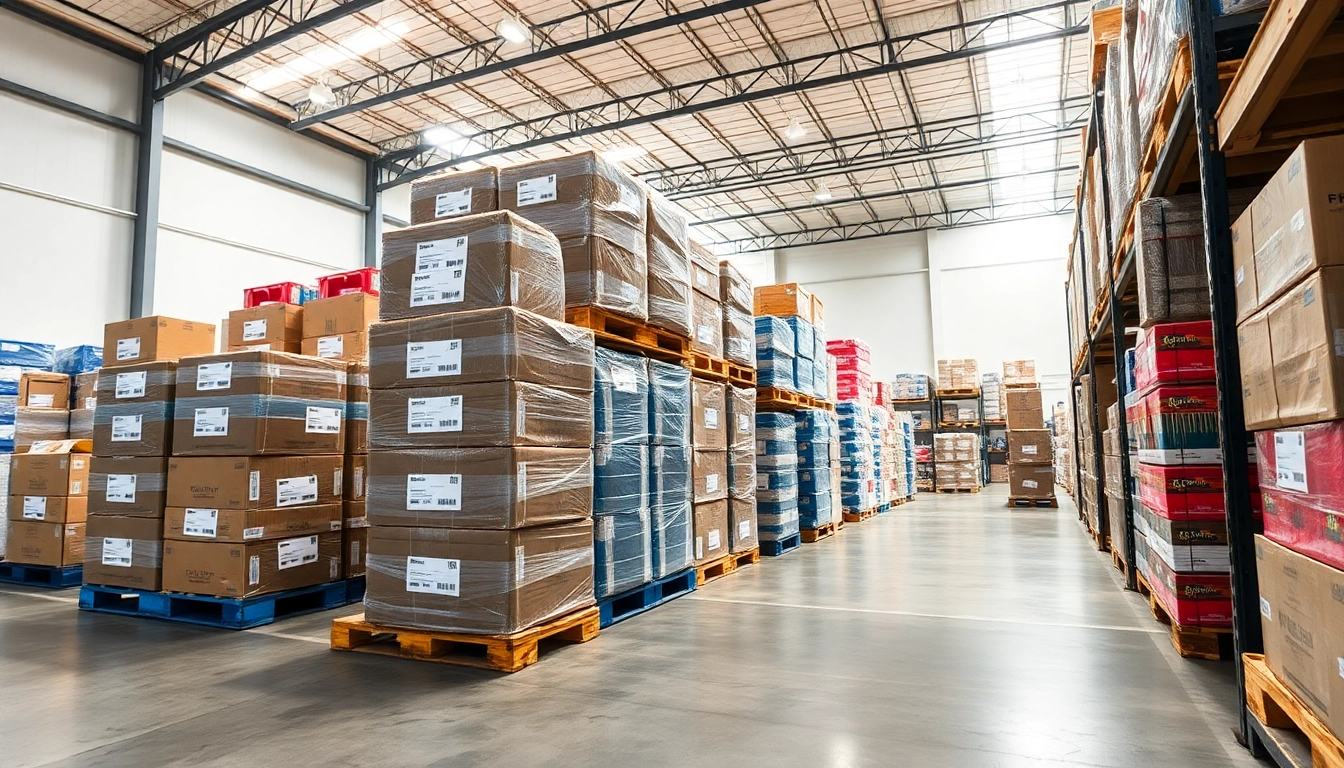
Understanding Wholesale Liquidation & Nationwide Shipping
Wholesale liquidation is an emerging method for businesses to secure inventory at reduced prices. It involves purchasing goods from retailers or manufacturers that are surplus, returned, or discontinued. This often leads to significant savings for buyers, ranging from small retailers to large-scale distributors. The integration of Wholesale Liquidation & Nationwide Shipping enhances the practical application of liquidation sourcing, allowing businesses to efficiently receive products no matter their location.
What is Wholesale Liquidation?
Wholesale liquidation offers a way for businesses to obtain bulk quantities of goods at discounted prices. This process originates from products that are overstocked, returned by customers, or even items that fall short of certain retailer standards. Retailers may choose to liquidate these items to free up valuable storage space, recover costs, or due to the end of a product’s life cycle. Entrepreneurs and resellers tap into this market to replenish their inventory without overspending.
The Importance of Nationwide Shipping
In today’s era of e-commerce, customers expect quick and reliable shipping services. Therefore, the capability to provide nationwide shipping is crucial. It expands the market reach for businesses dealing in wholesale liquidation. Sellers can cater to a larger customer base across various states without the limitation of geographical boundaries. Well-planned logistics allow suppliers in the liquidation sector to navigate shipping challenges effectively while ensuring customer satisfaction.
Key Benefits of Wholesale Liquidation & Shipping
- Cost Savings: Purchasing liquidation stock often results in substantial discounts compared to traditional wholesale purchasing.
- Variety of Products: A wide range of products is available, from electronics to household goods, allowing businesses to diversify their inventory.
- Flexibility: Businesses can source products as needed, adjusting orders based on demand without incurring significant overhead.
- Streamlined Logistics: Nationwide shipping simplifies the distribution process, offering suppliers the ability to deliver products quickly.
How to Choose the Right Liquidation Supplies
When engaging in the wholesale liquidation process, selecting the right supplies is imperative for maximizing returns. The quality, pricing, and shipping logistics all play pivotal roles in a successful liquidation strategy.
Identifying Quality Products
Identifying quality products is crucial for businesses seeking to profit from wholesale liquidation. Inspect the condition and functionality of items before purchasing. Utilize third-party evaluation services if necessary. Read reviews and testimonials about the liquidation company to ensure they deliver reliable quality. Engaging with the inventory directly, whenever possible, provides first-hand insight into the products being bought.
Comparing Pricing Models During Liquidation
Pricing models can vary widely during liquidation sales. Understand the different forms of pricing, such as ‘per pallet’, wholesale rate, or auction-based pricing. Compare these models against the market value of similar products to assess whether you’re getting a fair deal. Keeping a structured price comparison chart can aid in visualizing potential savings and facilitate decision-making.
Shipping Considerations for Nationwide Delivery
When considering nationwide shipping, evaluate the shipping costs, delivery times, and the reliability of shipment services offered by liquidation suppliers. Seek suppliers who provide real-time tracking and reputable carriers. Ensure that the shipping methods align with your business model and that costs remain manageable. Packaging standards should also be discussed to prevent damages during transit.
Strategies for Maximizing Your Purchases
Sourcing liquidation stock intelligently can lead to increased profit margins and better inventory management. Here are some effective strategies.
Bulk Buying Tips for Liquidation
Incorporating bulk buying into your liquidation strategy can yield significant advantages. Bulk purchases can lead to lower prices per item, helping to maximize overall profitability. However, analyzing space and demand is critical before committing to bulk orders. Projects like market analysis and trend forecasting will help predict how quickly inventory will move.
Negotiating for Better Deals on Liquidation Stock
Negotiation is a valuable skill in wholesale liquidation. When dealing with suppliers, express your interest in long-term partnerships, as this can lead to better terms. Use market data to substantiate your requests for price reductions or added benefits like free shipping. Building rapport with suppliers often results in favorable deals during future transactions.
Effective Inventory Management Practices
Effective inventory management plays a vital role in maximizing liquidation purchases. Implement a system for tracking sales and inventory levels to avoid overstocking or stockouts. Utilizing inventory management software can facilitate data-driven decision-making, allowing businesses to monitor trends and adapt stocking strategies as needed. Regular audits of inventory can also uncover slow-moving stock that may need discounting or promotions.
Common Challenges in Wholesale Liquidation & Shipping
While there are great opportunities within wholesale liquidation, various challenges can hinder success. Understanding these challenges is key to developing effective strategies to overcome them.
Dealing with Product Returns in Liquidation
Returns are a common challenge in the liquidation market as customers may not be fully satisfied with their purchases. It’s essential to have a clear return policy in place. Consider offering customers the option of exchanges or store credit to retain their business. Implementing a robust quality assurance process can also minimize returns by ensuring product condition before sale.
Navigating Shipping Costs and Logistics
Shipping costs can vary based on distance, weight, and the shipping method selected. It’s critical to evaluate multiple shipping options to find the best rates. Establishing relationships with reliable carriers can provide leverage in negotiations for lower rates. Moreover, consider using fulfillment centers as they can often provide more economical shipping solutions for bulk orders.
Understanding Warranty and Service Issues
Products acquired through liquidation may pose unique warranty and service challenges. Often, liquidation items are sold “as is,” and understanding the limits of the warranty is vital. Be transparent with customers regarding the conditions of products sold. Establishing a clear communication strategy to educate potential buyers about warranty concerns helps build trust and mitigate dissatisfaction.
Frequently Asked Questions
What types of products are available through wholesale liquidation?
Wholesale liquidation can offer a diverse range of products, including electronics, clothing, home goods, and industrial supplies. The variety depends on the source and nature of the liquidation.
How can I ensure reliable nationwide shipping?
Ensure reliable nationwide shipping by vetting suppliers with a strong logistics network and proven shipping history. Leverage tracking services and maintain clear communication with shipping partners.
Are liquidation purchases worth the investment?
Liquidation purchases can be worthwhile if properly vetted. Identifying quality stock and understanding potential resale value are critical for making informed decisions.
Can I resell products obtained from liquidation?
Yes, products acquired through liquidation can be resold. However, check any restrictions or label requirements, and be transparent about product conditions with customers.
What are the risks associated with wholesale liquidation?
Risks include receiving damaged or unsellable goods, unexpected high shipping costs, and potential regulatory issues. Thorough research and quality checks can mitigate many of these risks.