Introduction to Stainless Steel Tables
When it comes to furnishing both residential and commercial spaces, a stainless steel table stands out due to its unique characteristics and versatile applications. The blend of functionality, aesthetics, and durability makes stainless steel a preferred material in table design. In this guide, we will delve deep into the world of stainless steel tables to help you understand their benefits, styles, care, and everything else you need to know for making the right choice.
What Makes a Stainless Steel Table Unique?
Stainless steel tables are distinct because they are crafted from high-quality metals that resist corrosion, rust, and tarnishing. The alloy contains chromium, which forms a protective layer on the surface called the passive layer, safeguarding the steel from environmental factors. This unique property offers a sleek, modern appearance that fits seamlessly into various design contexts—from minimalist kitchens to rustic outdoor settings. Moreover, the table’s structural integrity guarantees longevity and strength, making it an ideal choice for heavy-use environments.
Benefits of Choosing Stainless Steel
- Durability: Stainless steel tables resist dents and scratches, standing up to the rigors of daily life.
- Low Maintenance: Easier to clean than wood or composite materials, needing only a simple soap and water wash.
- Versatility: Available in various designs—perfect for kitchens, dining areas, workspaces, or outdoor patios.
- Hygienic: Non-porous material prevents bacteria buildup, making it suitable for food preparation and serving.
- Modern Aesthetic: The sleek, shiny look of stainless steel adds a contemporary flair to any décor.
Common Uses for Stainless Steel Tables
Stainless steel tables are utilized in a variety of settings:
- Residential Kitchens: They are often used as prep tables due to their hygienic surface.
- Commercial Settings: Restaurants and hotels favor stainless steel tables for dining and food service.
- Laboratories: Their non-porous surface meets stringent hygiene standards.
- Outdoor Spaces: Ideal for patio furniture given their resistance to weather conditions.
- Workshops: Provides a robust surface for tools and materials.
Styles and Designs of Stainless Steel Tables
Stainless steel tables come in a wide array of styles and designs, catering to different tastes and needs. Understanding these variations can greatly enhance your selection process.
Modern vs. Traditional Designs
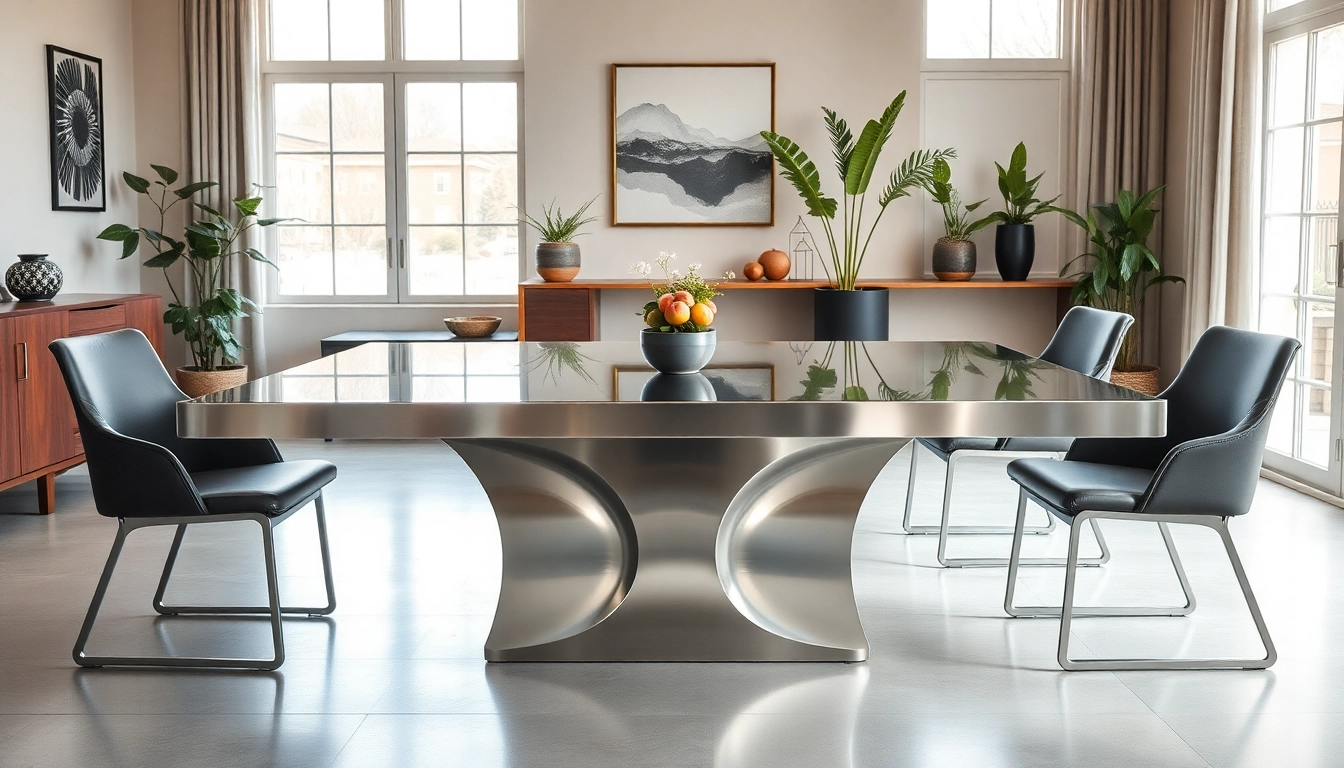
Modern stainless steel tables often feature clean lines, minimalist aesthetics, and geometric shapes. They typically pair well with other contemporary materials like glass or wood. In contrast, traditional designs might showcase more elaborate features, such as ornate legs or intricate detailing, while still incorporating stainless steel elements for durability. The choice between modern and traditional styles should align with your existing décor and personal preference.
Finishes and Textures Explained
The finish of a stainless steel table can dramatically influence its appearance and functionality. Common finishes include:
- Polished Finish: Offers a shiny, reflective surface that highlights the material’s sleekness.
- Brushed Finish: Provides a matte look and is less likely to show fingerprints.
- Hammered Finish: Gives an artistic flair with a textured surface, suitable for more unique aesthetics.
- Etched or Embossed Finish: Allows for customization and personalization of designs.
Color Combinations for Your Decor
While stainless steel is generally silver-colored, it can be paired or coated with other colors to match your decor. Popular combinations include:
- Black or charcoal lacquer for a dramatic contrast.
- Wooden legs or accents for warmth and coziness.
- Vibrant cushion colors for outdoor dining settings to create an inviting atmosphere.
- Glass tops with stainless steel bases to enhance a modern look.
Choosing the Right Stainless Steel Table for Your Needs
Selecting the perfect stainless steel table is crucial for achieving both functionality and style in your space. Here are several factors to consider.
Size and Space Considerations
Before purchasing, it’s essential to measure your space accurately. Consider the following:
- Available Space: Ensure there’s enough room around the table for movement.
- Table Height: Standard dining tables are usually 28 to 30 inches high.
- Number of Users: Factor in how many people typically use the table to guide the appropriate size.
Understanding Different Styles
Recognizing the various styles can assist in making an informed choice. Consider each style’s functionality:
- Dining Tables: Typically larger, designed for meals and gatherings.
- Café Tables: Smaller and more casual, suitable for quick bites.
- Bar Tables: Taller tables intended for drinks or appetizers.
- Work Tables: Designed for workspace utility while maintaining aesthetics.
Budgeting for Your Stainless Steel Table
Establishing a budget is paramount since stainless steel tables range widely in price. Factors affecting cost include size, design complexity, and brand reputation. Here are some guidelines:
- Set a realistic budget considering the table’s purpose.
- Research different retailers to find quality options within your price range.
- Consider long-term investment—spending more initially may save you money over time due to durability.
Maintenance Tips for Stainless Steel Tables
To preserve the beauty and functionality of your stainless steel table, regular maintenance is key. Below are essential tips for caring for your table.
Cleaning Techniques to Preserve Shine
Cleaning is straightforward, but the right techniques ensure a lasting shine:
- Use a soft cloth and warm, soapy water for regular cleaning.
- Avoid abrasive scrubbers which can cause scratching.
- For stubborn stains, consider a mixture of vinegar and water as a gentle solvent.
Protecting Against Scratches and Dents
While stainless steel is durable, precautions can minimize potential damage:
- Use mats or coasters to prevent scratches from plates or metal utensils.
- Ensure that the table is placed on a flat surface to avoid unnecessary pressure points.
- Avoid dragging items across the surface.
Long-term Care Recommendations
For long-lasting enjoyment of your table, keep these practices in mind:
- Apply a stainless steel cleaner periodically to maintain luster.
- Address any scratches immediately with polishing paste or by meticulously scrubbing.
- Store it indoors if possible to protect against extreme weather if the table is used outdoors.
FAQs About Stainless Steel Tables
1. How are stainless steel tables manufactured?
Stainless steel tables are typically manufactured through a combination of cutting, welding, and finishing processes. Steel sheets are shaped and assembled into the table frame and surface.
2. Are stainless steel tables suitable for outdoor use?
Yes, stainless steel tables are suitable for outdoor use due to their resistance to corrosion and rust, making them ideal for patios and gardens.
3. What should I consider when purchasing a stainless steel table?
Consider the table’s size, design, finish, and intended use. Additionally, budget and maintenance requirements are crucial for long-term satisfaction.
4. How do I clean my stainless steel table?
Regular cleaning can be done with warm soapy water and a soft cloth. For tougher spots, a mixture of vinegar and water works well without damaging the surface.
5. What are the best finishes for durability?
Brushed finishes are preferred for their resistance to fingerprints and scratches, making them ideal for high-traffic areas. Polished finishes, while attractive, can require more maintenance.