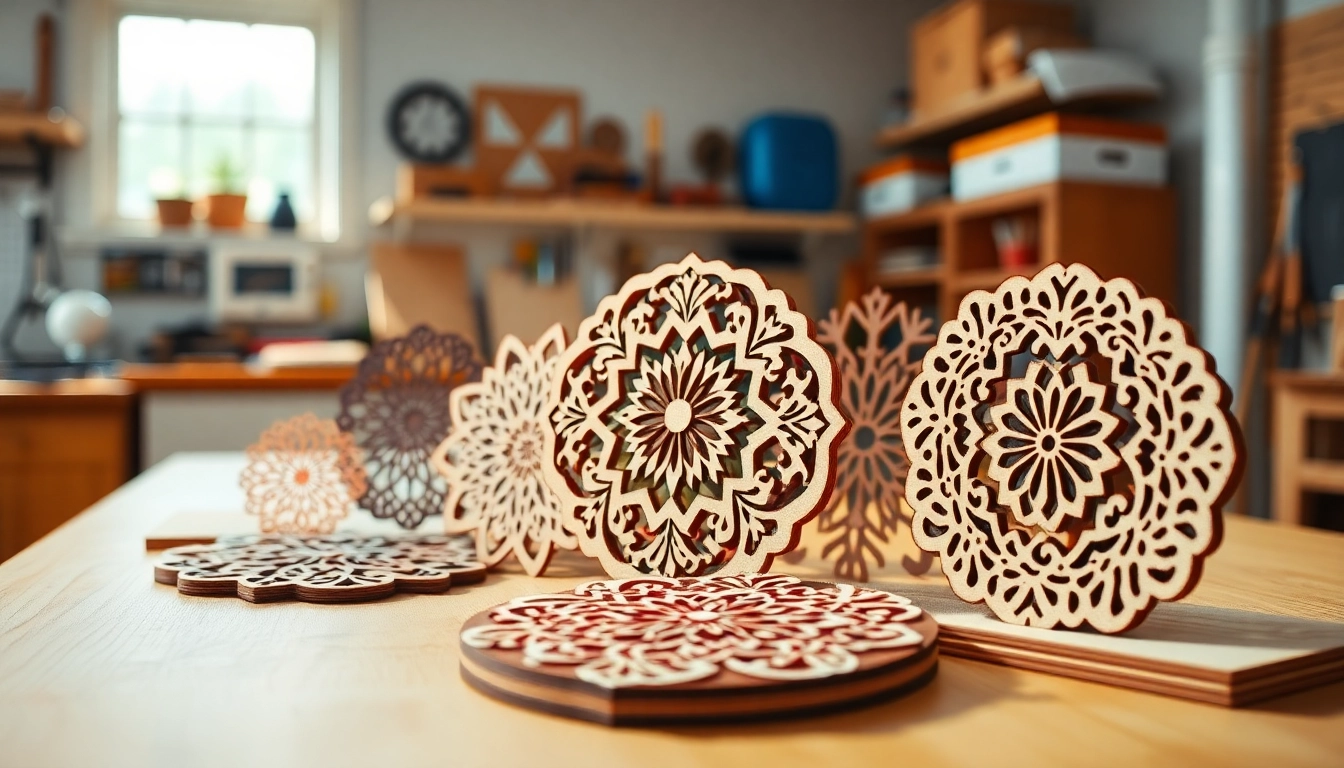
Introduction to Laser Cutting Designs
Laser cutting technology has transformed the way designers, manufacturers, and artists create intricate shapes and patterns in a wide array of materials. This method utilizes high-powered lasers to cut or engrave materials, offering precision and efficiency that is often unattainable with traditional cutting methods. The realm of laser cutting designs continues to expand as innovative applications emerge, making it a vital tool across various industries.
What Are Laser Cutting Designs?
At its core, laser cutting designs refer to the intricate patterns and shapes created by directing a high-energy laser beam through a material. These designs can be simple outlines or complex images, depending on the application. The process involves precision cutting, where the laser melts or vaporizes the material to achieve the desired shape. This versatility allows designers to push the boundaries of creativity, enabling everything from custom signage to delicate jewelry pieces.
The Evolution of Laser Cutting
Laser cutting technology has its roots in the 1960s, initially developed for industrial applications. Over the years, it has evolved significantly, becoming more accessible to creative individuals and small businesses. Early machines were large and expensive, but advancements in technology have led to compact, user-friendly models. This democratization has empowered hobbyists and entrepreneurs to explore the art of laser cutting, leading to a burgeoning community focused on innovation and design.
Applications of Laser Cutting Designs
Laser cutting designs find applications in various fields, enhancing creativity and efficiency. Some prominent applications include:
- Architecture: Creating intricate models and facade elements.
- Jewelry Design: Producing detailed and complex jewelry pieces.
- Manufacturing: Streamlining production processes with rapid prototyping.
- Signage: Crafting custom signs for businesses using various materials.
- Fashion Design: Adding intricate patterns to fabrics and accessories.
Materials Commonly Used in Laser Cutting Designs
The versatility of laser cutting designs is also attributed to the diverse materials that can be processed. Understanding these materials is crucial for creating effective and successful designs.
Wood and Its Versatility
Wood is a popular choice for laser cutting due to its natural appearance and varied textures. From plywood to hardwoods, laser cutting can produce intricate designs for furniture, art pieces, and decor. The advantages of wood include its ability to capture fine details and the ease with which it can be painted or stained post-cutting. Understanding the different types of wood grains and their cutting properties can significantly influence the final results.
Acrylic: A Favorite for Creativity
Acrylic is a favored material among designers because of its clarity and color options. It is lightweight, shatter-resistant, and can be cut into intricate shapes, making it perfect for signage and decorative pieces. Moreover, acrylic can be engraved, which adds depth and dimension to designs. The ability to layer different colors of acrylic enhances its appeal, allowing for eye-catching combinations.
Metals: A Complex Challenge
Working with metals in laser cutting designs introduces a level of complexity due to factors such as thickness and material properties. Metals such as aluminum, stainless steel, and brass can be cut with precision using advanced laser systems. While cutting metals can be more challenging due to required power and settings, the final products exhibit a strength and durability that is unmatched, suitable for functional and artistic applications.
Techniques for Creating Stunning Laser Cutting Designs
Creating breathtaking laser cutting designs involves more than just selecting materials; it requires thoughtful design techniques, software proficiency, and testing.
Choosing the Right Software
Selecting the right software is a pivotal step in creating laser cutting designs. Popular programs such as Adobe Illustrator, CorelDRAW, and Inkscape allow designers to create vector graphics that can be directly interpreted by laser cutting machines. Familiarizing yourself with these tools can help in designing precise cuts and engravings, enhancing both the creativity and functionality of the designs.
Understanding Design Parameters
Understanding the critical design parameters, such as kerf (the width of the cut), speed, and power settings, is essential for ensuring high-quality results. The kerf can vary with different materials and laser setups, influencing the final size of components. Designers should always account for these factors to ensure the pieces fit together as intended, especially in projects where precision is key.
Prototyping Your Designs Effectively
Before mass production, it is vital to produce prototypes of your laser cutting designs. Rapid prototyping allows designers to test concepts and refine them based on real-world application. By running test cuts on inexpensive materials, designers can gauge the success of their designs and make necessary adjustments. This process is vital for identifying potential issues before moving into larger production runs.
Tips for Perfecting Your Laser Cutting Designs
Creating exceptional laser cutting designs requires ongoing refinement and attention to detail. Here are some techniques to help enhance your results.
Maintaining Your Equipment
Regular maintenance of laser cutting machines is crucial for ensuring optimal performance. This includes routine cleaning of optics, aligning the laser head, and checking for any mechanical issues. A well-maintained machine not only produces better-quality cuts but also extends the lifespan of the equipment, making it a wise investment for any designer.
Common Mistakes to Avoid
Even experienced designers can fall prey to common mistakes. One such mistake is ignoring material specifications, leading to poor cutting results. Additionally, a lack of testing can result in unexpected outcomes. It’s crucial to take time to understand both the material and the machine’s capabilities to avoid these pitfalls and ensure the design meets expectations.
Improving Precision in Your Cuts
Improving cut precision can significantly enhance the final product. Ensuring that designs are vector-based, and using the appropriate resolution settings will create sharper cuts. Furthermore, staying informed about the latest technological advancements in laser cutting can provide insights into enhancing precision and efficiency.
Inspiration for Your Laser Cutting Designs
Finding inspiration is pivotal for any designer. The world of laser cutting designs offers endless possibilities. Here are several avenues to ignite your creativity.
Unique Design Ideas to Consider
When looking for unique ideas, consider exploring themes such as nature, geometry, or cultural symbols. Inspiration can also be found in everyday objects — transforming them into art can yield stunning results. Engaging with local design trends or visiting craft fairs can provide a fresh perspective and spark new ideas.
Showcasing Your Work Online
Creating an online presence is essential for today’s designers. Social media platforms, personal websites, and online marketplaces allow creators to showcase their work, connect with potential clients, and engage with the community. Sharing progress shots, tutorials, and finished projects can gain attention and foster connections in the laser cutting designs community.
Engaging with the Laser Cutting Community
Engagement with the laser cutting community can provide support and insights that are invaluable. Online forums, local workshops, and meetups allow for the sharing of tips, tricks, and design inspirations. Networking with fellow designers can also lead to collaborative projects that expand creative horizons and open new opportunities.
Frequently Asked Questions
What can I create with laser cutting designs?
You can create a variety of items, including home decor, jewelry, signage, and educational materials. The possibilities are endless, limited only by your imagination.
Do I need special training for laser cutting?
While not mandatory, having a basic understanding of design software and the laser cutting process will greatly improve your results. Many resources are available online to help beginners.
What materials can be laser cut?
Common materials for laser cutting include wood, acrylic, textiles, and various metals. It’s important to know the specifications of each material for optimal results.
How can I ensure precision in my designs?
To ensure precision, use vector-based designs, familiarize yourself with your laser cutter’s settings, and conduct test cuts on similar materials before the final run.
Is laser cutting cost-effective for small runs?
Yes, laser cutting can be cost-effective for small runs, especially when time and precision are considered. Prototyping helps avoid costly mistakes in larger production runs.