Understanding the Importance of hepa filter
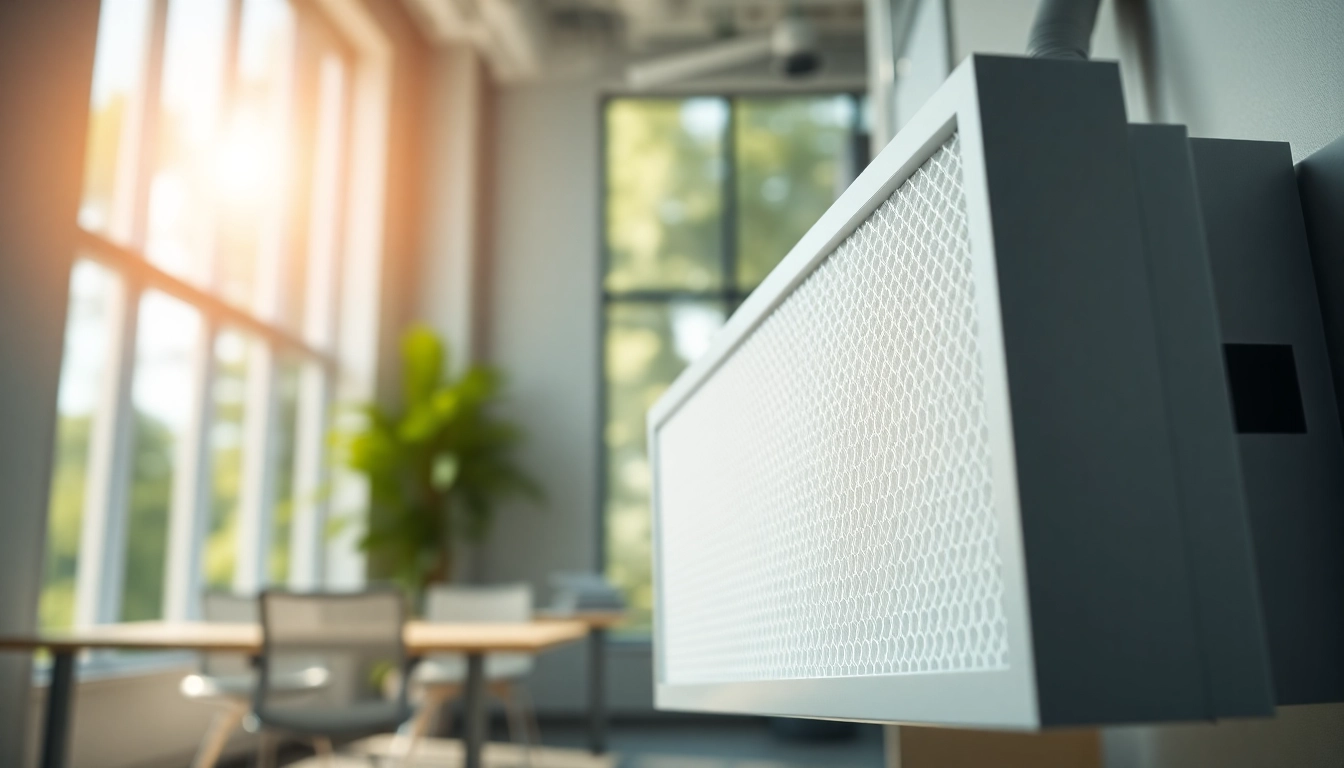
In today’s world, where air quality plays a critical role in our health and comfort, the importance of a hepa filter cannot be overstated. These filters are designed to trap small particles that can adversely affect indoor air quality. Understanding how they function, their advantages, and where they can be applied is essential for making informed decisions about air purification systems.
What is a hepa filter?
A High-Efficiency Particulate Air (HEPA) filter is a type of air filter that meets specific standards of efficiency when it comes to capturing particulate matter. To qualify as a HEPA filter, it must be able to remove at least 99.97% of particles that are 0.3 microns in diameter from the air that passes through it. This includes dust, pollen, mold spores, and pet dander, making HEPA filters ideal for individuals with allergies or respiratory conditions.
Benefits of using a hepa filter
Using a HEPA filter comes with numerous benefits:
- Improved Air Quality: By capturing airborne pollutants and allergens, HEPA filters significantly improve indoor air quality.
- Health Benefits: Reducing exposure to allergens and pollutants can alleviate respiratory issues, enhance overall health, and promote better sleep.
- Energy Efficiency: Modern devices using HEPA filters are often designed to be energy efficient, consuming less power while maintaining optimal air quality.
- Versatility: HEPA filters can be used in various applications, including air purifiers, vacuum cleaners, and HVAC systems.
Common applications of hepa filter
HEPA filters are utilized in a wide range of environments:
- Residential Spaces: Commonly found in air purifiers and HVAC systems to help combat indoor allergens.
- Medical Facilities: Used in hospitals and clinics to ensure clean air for patients, particularly in surgical and intensive care units.
- Industrial Settings: Employed in manufacturing processes where air quality is crucial, such as semiconductor production.
- Automobiles: Integrated into car air conditioning systems to enhance the air quality within vehicles.
Choosing the Right hepa filter for Your Needs
Selecting the appropriate HEPA filter involves evaluating your specific requirements and constraints. The right filter not only enhances air quality but also ensures cost-effectiveness.
Factors to consider when selecting a hepa filter
When choosing a HEPA filter, consider the following factors:
- Room Size: The size of the room where the filter will be used plays a significant role. Filters are rated for specific square footage; select accordingly.
- Particle Size: Different HEPA filters may have varying capabilities in capturing particles of specific sizes.
- Flow Rate: Look for filters that offer a high Clean Air Delivery Rate (CADR) for quicker pollutant removal.
- Maintenance: Evaluate the maintenance needs, including how often the filter requires replacement.
Differences between hepa filter types
HEPA filters come in several types, including:
- True HEPA Filters: These must meet stringent testing requirements to qualify as HEPA and are capable of trapping 99.97% of 0.3-micron particles.
- HEPA-Type Filters: More affordable but less efficient; they may not capture as many particles as True HEPA filters.
- ULPA Filters: Ultra-Low Penetration Air filters capture particles as small as 0.1 microns, providing even higher efficiency than HEPA filters.
Where to buy reliable hepa filter
HEPA filters can be purchased from a variety of sources:
- Home Improvement Stores: Often stock a range of filters for various appliances.
- Online Retailers: Websites dedicated to air purification equipment generally provide more options, including the newest technology.
- Specialty Stores: Some stores focus solely on air quality solutions and may offer expert advice on product selection.
Installing Your hepa filter Properly
Proper installation of a HEPA filter is crucial for optimal performance. Following installation guidelines ensures that your air purification system works as intended.
Step-by-step installation guide for hepa filter
Installing a HEPA filter generally involves these steps:
- Turn Off Power: Always ensure that the air purifier or HVAC system is turned off before you begin.
- Remove Old Filter: Carefully take out the old filter, following the manufacturer’s instructions.
- Clean the Filter Slot: Use a damp cloth to wipe any dust or debris from the filter compartment.
- Insert New Filter: Position the new HEPA filter, ensuring that it fits snugly and is oriented correctly, typically indicated by an arrow.
- Restore Power: Turn your device back on and check for any operational issues.
Common mistakes to avoid during installation
To avoid mishaps during installation, keep these common mistakes in mind:
- Incorrect Orientation: Installing the filter the wrong way can impede airflow.
- Forgetting to Clean: Neglecting to clean the filter slot can lead to reduced filter efficiency.
- Using the Wrong Filter: Always ensure the filter is specifically designed for your appliance model.
Tools required for hepa filter installation
Generally, no special tools are required for installing a HEPA filter. However, having the following items on hand can be helpful:
- A clean, damp cloth for cleaning the filter compartment.
- A pair of scissors if the filter needs to be trimmed for proper fit.
- Gloves for hygiene and protection when handling filters.
Maintaining Your hepa filter for Optimal Performance
Maintenance of your HEPA filter is essential for ensuring it operates effectively over its lifespan. Regular upkeep can prevent the accumulation of contaminants and extend filter life.
Regular maintenance practices for hepa filter
To maintain HEPA filters, consider these practices:
- Regular Checks: Inspect your filter at least once a month for signs of dust accumulation.
- Cleaning Surrounding Areas: Vacuum or dust the area around your air purifying system to prevent dust from being circulated.
- Follow the Manufacturer’s Schedule: Adhere to the recommended replacement schedule outlined in the product manual.
Signs your hepa filter needs replacement
Replace your HEPA filter if you observe the following signs:
- Reduced Airflow: A noticeable decrease in the flow of clean air can indicate a clogged filter.
- Foul Odors: Persistent odors can signal that the filter is saturated with pollutants.
- Visual Inspection: A visibly dirty or damaged filter should be replaced immediately.
How cleaning can enhance hepa filter efficiency
While many HEPA filters are not washable, one of the roles you can play is to keep your entire air-purifying unit clean. Dust buildup on the exterior can lead to overall inefficient performance.
Additionally, if you use pre-filters designed to capture larger particles before they reach the HEPA element, remember to clean or replace those regularly to maintain optimal airflow and efficiency.
FAQs About hepa filter
What is the lifespan of a hepa filter?
HEPA filters typically last between 1 to 3 years, depending on usage and surrounding air quality conditions.
Can a hepa filter remove odors?
HEPA filters do not specifically target odors, though they do eliminate particles that can contribute to unpleasant smells in the air.
Are all hepa filters the same?
No, there are different types of HEPA filters, such as True HEPA and HEPA-type, with varying efficiencies and applications.
How often should I change my hepa filter?
HEPA filters should be changed every 6 to 12 months, or sooner if you notice a drop in air quality or airflow.
Can I wash my hepa filter?
Most HEPA filters are not designed to be washed. Always check the manufacturer’s instructions for proper care and maintenance recommendations.