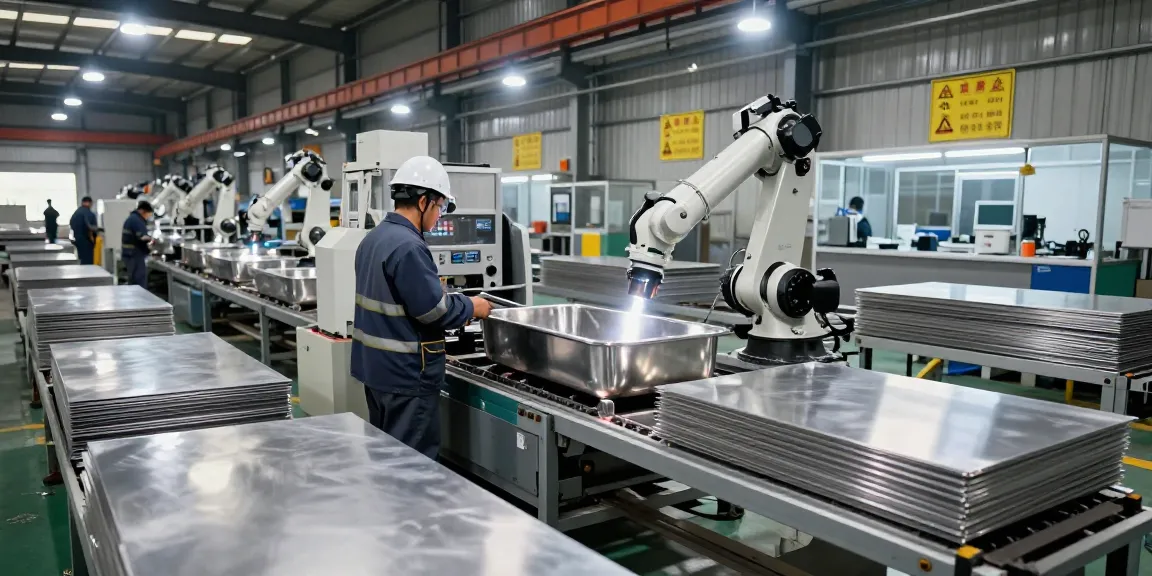
Understanding the Stainless Steel Basin Factory Landscape
The stainless steel basin factory industry is a dynamic sector that plays a critical role in the manufacturing of high-quality kitchen and bathroom fixtures. As consumer preferences shift toward durable and aesthetically pleasing products, the demand for stainless steel basins continues to grow. Understanding the operational and market dynamics within this sector is vital for manufacturers, suppliers, and consumers alike. This article delves deep into various aspects of stainless steel basin factories, ranging from manufacturing processes to market trends, and provides actionable insights for industry stakeholders. When exploring options, stainless steel basin factory offers comprehensive insights that can assist you in navigating this competitive landscape.
What is a Stainless Steel Basin Factory?
A stainless steel basin factory specializes in the production of basins used in kitchens and bathrooms, primarily made from stainless steel. These facilities utilize advanced manufacturing techniques to produce a range of products, including undermount, drop-in, and farmhouse sinks. The unique properties of stainless steel—such as corrosion resistance, durability, and ease of maintenance—make it an ideal material for these applications. Factories can vary in size from small artisan workshops to large-scale industrial operations that employ hundreds of people and utilize robotic automation.
The Importance of Stainless Steel in Manufacturing
Stainless steel is revered in the manufacturing industry for its strength and durability. Unlike other materials, it does not rust or corrode easily, leading to longer product life cycles and reduced maintenance costs for consumers. Furthermore, its aesthetic appeal allows for a variety of finishes, making it suitable for modern and traditional designs alike. This versatility is particularly advantageous for stainless steel basin manufacturers who seek to cater to diverse consumer preferences and architectural styles.
Current Market Trends in Basin Production
The global market for stainless steel basins has seen significant shifts over the past few years. Key trends influencing this sector include:
- Eco-friendly Manufacturing: As sustainability becomes a priority, factories are adopting greener practices, using recycled materials and reducing waste.
- Customization: Many consumers now expect personalized options, leading to increased demand for tailored designs.
- Smart Technology Integration: The incorporation of technology, such as touchless faucets and smart sinks, is on the rise, appealing to tech-savvy consumers.
Challenges Faced by Stainless Steel Basin Factories
While the prospects for stainless steel basin factories are promising, several challenges persist. These hurdles can impact production efficiency and product quality if not addressed properly.
Supply Chain Issues Impacting Production
The global supply chain is increasingly complex, with many factors contributing to delays and shortages. Raw materials like stainless steel often face price volatility and availability shortages due to geopolitical factors, leading to increased production costs for manufacturers. Effective supply chain management and fostering strong relationships with suppliers can mitigate these risks.
Technological Advancements and Automation
As technology rapidly evolves, factories must adapt to stay competitive. Automation offers significant benefits, including higher precision and faster production rates, but it requires a substantial investment. Factories must weigh the costs and benefits of implementing new technologies against their current operational capacities.
Quality Control Standards and Compliance
Maintaining high-quality standards is critical in the stainless steel basin manufacturing process. Factories are subject to various regulations and standards that govern the quality and safety of their products. Compliance with international standards, such as ISO certification, is essential to ensure consumer trust and product reliability.
Best Practices for Operating a Successful Factory
To thrive in the competitive landscape of stainless steel basin manufacturing, factories should adopt a set of best practices that enhance operational efficiency and product quality.
Implementing Modern Manufacturing Techniques
Factories should invest in modern manufacturing techniques such as Lean Manufacturing and Six Sigma. These methodologies focus on minimizing waste and improving process efficiency, ultimately leading to a better quality product and reduced costs.
Employee Training and Safety Protocols
Employees are the backbone of any manufacturing facility. Providing ongoing training ensures that workers are well-versed in the latest technologies and safety protocols. A safe work environment not only reduces accidents but also improves employee morale and productivity.
Environmental Sustainability in Production
Adopting environmentally sustainable practices can differentiate a factory in the marketplace. This includes recycling scrap metal, utilizing energy-efficient machinery, and adhering to waste reduction strategies. Implementing such practices can also enhance a company’s reputation among eco-conscious consumers.
Case Studies of Successful Stainless Steel Basin Factories
Examining successful stainless steel basin factories reveals valuable lessons that can be applied across the industry.
Innovative Factories Leading the Market
Companies that have embraced innovation often lead the market. For example, a factory that integrates smart technology into its products not only enhances functionality but also appeals to the modern consumer, establishing itself as a market leader.
Lessons Learned from Industry Leaders
Industry leaders often share key insights, such as the importance of agility in production and the ability to quickly adapt to changing consumer trends. These insights can guide smaller factories in developing strategies to improve their market positioning.
Impact of Globalization on Local Factories
Globalization has both positive and negative impacts on local factories. While it opens up new markets and opportunities for exports, local manufacturers face intense competition from overseas factories that can produce at lower costs. Understanding these dynamics is crucial for navigating the global market effectively.
Future Outlook for Stainless Steel Basin Factories
Looking ahead, the stainless steel basin factory industry is poised for considerable growth, driven by emerging technologies and changing consumer preferences.
Predicted Industry Growth by 2026
Industry analysts predict a steady increase in demand for stainless steel basins, with projected annual growth rates of around 5-7% through 2026. This growth is spurred by the expanding construction and renovation sectors, particularly in emerging economies.
Emerging Technologies in Basin Manufacturing
Technological advancements such as 3D printing and artificial intelligence are set to revolutionize the manufacturing process. These innovations can enhance product design, streamline production, and optimize supply chains, ensuring that factories remain competitive.
Consumer Preferences Shaping Production
Today’s consumers are more informed and discerning, with a focus on aesthetics, functionality, and sustainability. Factories must continuously adapt their product offerings to meet these evolving preferences, ensuring that they remain relevant in the marketplace.
What are the key advantages of stainless steel basins?
Stainless steel basins offer numerous advantages, including durability, resistance to corrosion, and ease of cleaning. These features make them a popular choice among homeowners and designers alike.
How do manufacturers ensure quality in production?
Manufacturers maintain quality through stringent quality control measures, including regular inspections and adherence to industry standards. Advanced technology also aids in monitoring production processes and ensuring consistency.
What trends are influencing basin design and style?
Current trends in basin design include minimalism, multifunctionality, and integration with smart home technology. These trends reflect a shift toward more practical and aesthetically pleasing designs.
Are there sustainable practices for manufacturing stainless steel?
Yes, sustainable practices include recycling scrap materials, using energy-efficient production methods, and sourcing raw materials responsibly to minimize environmental impact.
What innovations are expected in the next few years?
Future innovations are likely to encompass enhanced smart technology integration, improved manufacturing techniques, and new materials that offer even greater durability and design flexibility.