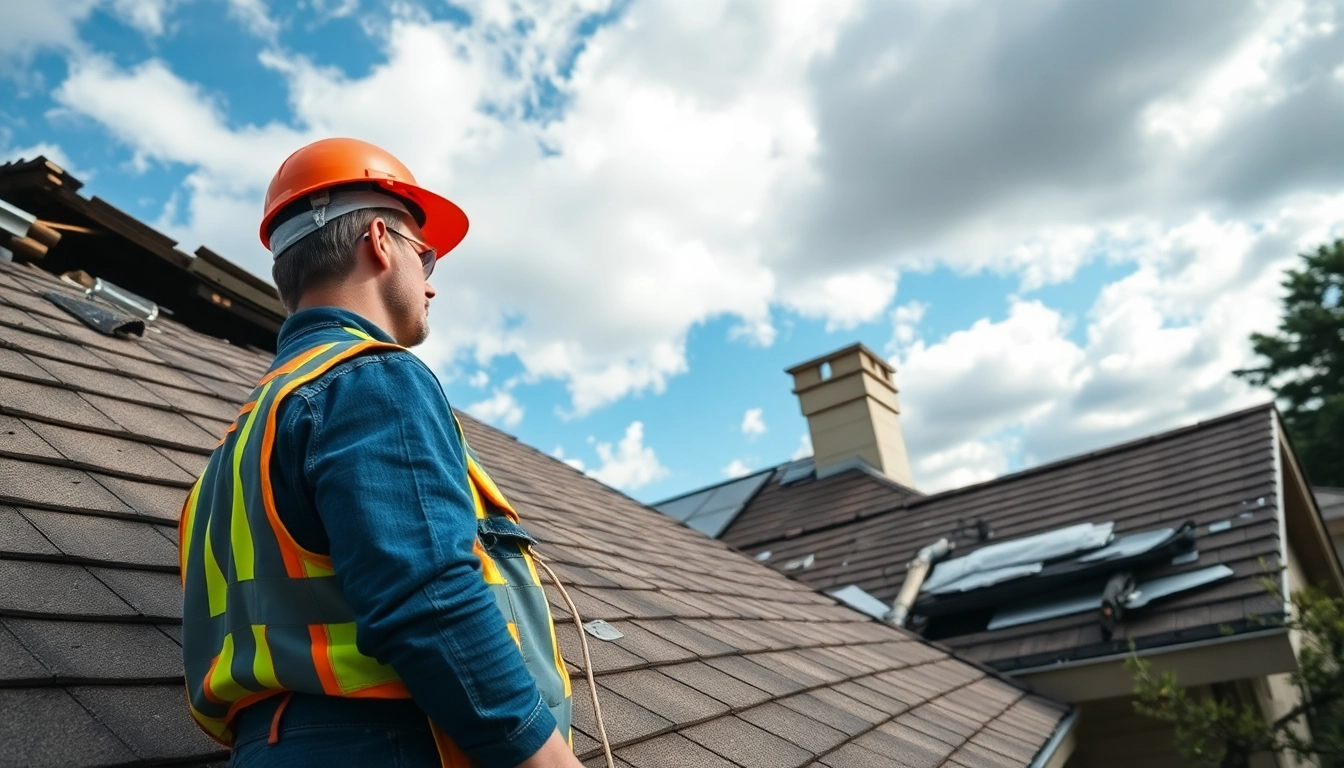
Understanding Emergency Roof Repair Bay Area Needs
The Bay Area, known for its distinct seasonal weather variations, often places roofs in challenging conditions. When unexpected issues arise, understanding the need for emergency roof repair Bay Area services becomes crucial for homeowners. Whether it’s due to age, severe weather, or sudden impact damage, addressing roof issues promptly can save significant costs and prevent further damage to your property.
Common Roof Issues That Require Immediate Attention
Several factors can cause roof damage that requires urgent repair. Here are some of the most common:
- Leaks: Water stains on ceilings or walls are usually a clear indicator of a roof leak, which can develop into more severe structural damage if left unattended.
- Missing Shingles: High winds can displace roof shingles, leaving vulnerable areas exposed to water intrusion.
- Punctures and Holes: Objects like tree branches or hail can create openings in your roof, necessitating immediate repairs to prevent water damage.
- Mold and Mildew: Growths in your attic or along your roofline suggest trapped moisture; this is often a sign of underlying damage that should be addressed right away.
- Damaged Flashing: Problems with flashing around chimneys or vents can lead to leaks, requiring quick action to avoid extensive damage.
Signs You Need Emergency Roof Repair Bay Area Services
Identifying the signs that indicate you may need emergency roof repair is crucial for timely intervention. Key indicators include:
- Water Damage: Look for damp spots on ceilings or walls, which can signify leaks from the roof.
- Roof Sagging: If your roof appears to sag, it may indicate structural issues that require immediate action.
- Visible Damage: Physical signs like cracks or missing shingles should prompt an immediate evaluation of roof integrity.
- Increased Energy Bills: A sudden spike in your energy bills might suggest insufficient insulation or leaks, which can stem from roof problems.
- Storm Damage: After heavy storms, inspect your roof for any damage or missing components that could lead to further issues.
Benefits of Timely Roof Repairs
Acting quickly when you notice roof issues brings a multitude of advantages:
- Cost Savings: Early intervention tends to be less expensive than fixing extensive damage later on.
- Increased Safety: Addressing roof issues promptly minimizes risks of injury or property damage due to structural failures.
- Enhanced Property Value: A well-maintained roof increases your home’s resale value and appeal.
- Energy Efficiency: Fixing leaks can improve your home’s energy efficiency, leading to lower utility bills.
- Peace of Mind: Knowing your roof is in good condition decreases stress and anxiety as a homeowner.
Choosing the Right Service for Emergency Roof Repair Bay Area
Selecting a reliable service provider for emergency roof repair is imperative to ensure quality work. Here’s how to find the right one.
Researching Local Service Providers
Start by conducting thorough research on local roofing companies. Look for:
- Experience: Focus on companies with a proven track record in emergency roof repairs specifically in the Bay Area.
- Reviews and Testimonials: Check online reviews and customer feedback to gauge the quality of their service.
- Licences and Insurance: Confirm that the service provider is licensed and insured to protect you from liability.
- Working Hours: Choose a provider that offers emergency services outside normal business hours.
Questions to Ask Before Hiring
Before finalizing your contractor, ask relevant questions to assess the service offerings:
- What is your response time for emergency repairs?
- Can you provide references from previous clients?
- What types of warranties do you offer on repairs?
- Will you provide a written estimate before work begins?
- What materials do you typically use for repairs?
Cost Considerations for Emergency Roof Repairs
Understanding the costs involved can help you budget. Here are some factors influencing the price:
- Type of Damage: Extensive repairs will cost more than minor fixes.
- Materials Used: The quality of materials impacts overall costs; premium materials may lead to longer-lasting repairs.
- Labor Costs: Rates for roofing services can vary based on local market dynamics and contractor expertise.
- Accessibility: If your roof is difficult to access, expect additional charges for labor and equipment.
- Time of Year: Seasonal demand can also influence pricing, with emergencies following storms typically leading to higher costs.
Best Practices for Maintaining Your Roof
Proactive maintenance can significantly reduce the need for emergency repairs. Here are essential practices to keep your roof in top condition:
Regular Inspections and Maintenance Tips
Conduct routine examinations of your roof at least twice a year, preferably in spring and fall. During inspections, consider:
- Checking for cracked or missing shingles.
- Looking at the flashing around chimneys and vents for signs of sealing issues.
- Inspecting gutters for debris that could cause water buildup.
- Reviewing the roof edges for curling or buckling.
- Addressing any minor damages immediately to prevent escalation.
Seasonal Preparation for Your Roof
Different seasons bring unique challenges. Preparing your roof accordingly can help prolong its lifespan:
- Winter: Ensure proper insulation to avoid ice dams and prevent heat loss.
- Spring: Clear debris from gutters and downspouts to manage rainwater effectively.
- Summer: Consider tree trimming to reduce the risk of falling branches during storms.
- Fall: Inspect for leaves accumulating in gutters and valleys which can trap moisture.
Long-term Solutions to Prevent Emergencies
In addition to regular maintenance, consider these long-term strategies:
- Quality Materials: Investing in high-quality shingles and underlayment can reduce risks associated with premature wear.
- Upgraded Ventilation: Proper ventilation prevents moisture buildup, extending the life of roofing systems.
- Roof Coatings: Reflective coatings can help mitigate thermal damage and reduce heat absorption.
- Professional Inspections: Hire a roofing professional for comprehensive assessments every few years, even if no visible problems appear.
- Storm Preparation: Reinforce roofs in wind-prone areas to withstand extreme weather conditions.
What to Expect from Emergency Roof Repair Bay Area Processes
Understanding the repair process can help you navigate an emergency situation efficiently, ensuring quality service and effective solutions.
Initial Assessment and Diagnosis
The repair process often begins with a thorough assessment by a qualified technician who will:
- Conduct a visual inspection of both the interior and exterior of the roof.
- Identify the source and extent of the damage.
- Document any issues for review and reporting.
- Discuss findings with the homeowner to outline appropriate solutions.
Repair Techniques and Materials Used
Depending on the assessment, various repair techniques may be utilized:
- Shingle Replacement: Missing or damaged shingles are replaced with new ones.
- Sealants: Professional-grade sealants may be applied to leaks or damaged flashing to restore integrity.
- Patching: For small holes or punctures, patches may be installed to effectively seal the area.
- Structural Repairs: In severe cases, support beams or underlayment may need replacement for proper structural support.
Post-Repair Follow-Up and Maintenance
Once repairs are made, a follow-up process ensures effectiveness:
- Scheduled inspections to ensure no further issues have arisen.
- Offering maintenance advice tailored to the specific repairs performed.
- Re-evaluating the roof’s condition in future seasons to track any changes that arise.
Frequently Asked Questions About Emergency Roof Repair Bay Area
What are the typical signs of roof damage?
Common signs include water stains, sagging sections, missing shingles, and visible mold. Inspect for leaks and note any unusual energy bill spikes as well.
How quickly can I get emergency roof repair Bay Area services?
Response times vary, but most reputable companies aim to assess and begin necessary repairs within 24 hours of your call.
Will my insurance cover the emergency roof repair?
Coverage depends on your policy. Many homeowners’ insurance policies provide coverage, particularly for storm-related damage.
What should I do before the repair team arrives?
Clear the area around your home, move vehicles away from the work zone, and ensure pets are secured to facilitate safe and efficient repairs.
How can I maintain my roof to avoid emergencies?
Regular inspections, seasonal clean-ups, and timely repairs are vital. Installing high-quality materials can also preempt serious issues.