1. Introduction to Cape Cod Homes
Cape Cod homes embody a unique architectural style that resonates with simplicity and elegance. Predominantly found in the coastal regions of New England, these residences capture the essence of seaside living. Their historical significance and distinctive features make them enduring symbols of American architecture. In this exploration, we delve into what defines a Cape Cod home, their coastal aesthetics, and their historical context. By understanding these elements, we can appreciate the charm of cape cod homes and their impact on modern living.
1.1 What Defines a Cape Cod Home?
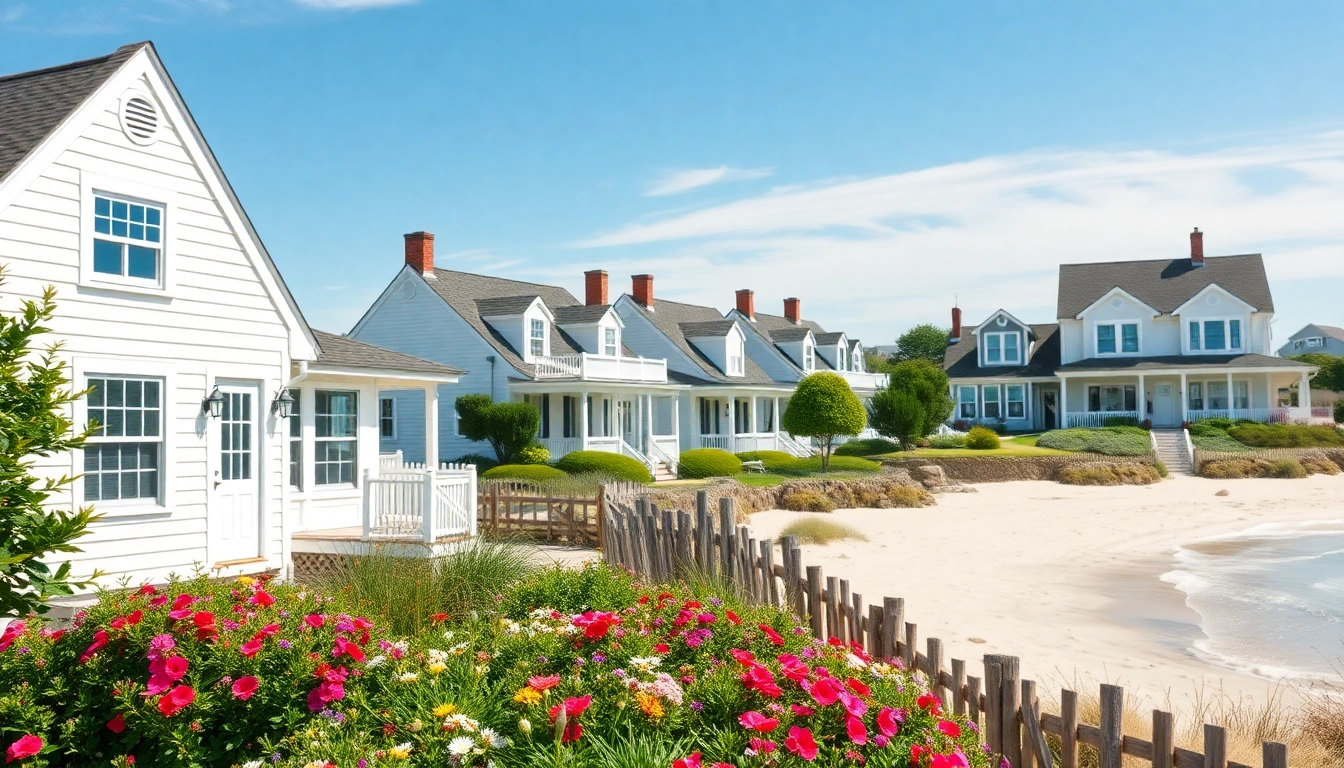
A Cape Cod home is typically one to one-and-a-half stories, showcasing steeply pitched roofs, symmetrical facades, and dormer windows. This architectural form was designed to withstand harsh weather conditions, primarily in the northeastern U.S. Characteristics such as wood siding, shingles, and a focus on functionality are staples of the style. The term “Cape Cod” itself originates from the early settlers of New England, who aimed to create comfortable and practical homes using locally sourced materials.
1.2 Coastal Aesthetics in Cape Cod Homes
The aesthetics of Cape Cod homes are informed by their coastal environments. Natural light plays a pivotal role, with large windows and open layouts designed to allow sunlight to flood living spaces. The color palettes are often inspired by the sea and sand, featuring soft blues, sandy beiges, and crisp whites. Landscaping tends to mirror this ethos, incorporating native plants that thrive in the coastal climate while enhancing the home’s exterior.
1.3 Historical Context of Cape Cod Homes
Originating in the 17th century, Cape Cod homes were built out of necessity. Early settlers faced the challenges of a rugged climate and sought resilient designs. Over the centuries, these homes have evolved, integrating modern conveniences without losing their historical essence. The Cape Cod style gained renewed popularity in the 20th century, becoming synonymous with Americana, reflecting a simpler, more relaxed lifestyle.
2. Key Features of Cape Cod Homes
2.1 Architectural Styles and Elements
Architecturally, Cape Cod homes are known for their distinctive gable roofs, which not only provide aesthetic appeal but also benefit during inclement weather by shedding snow and rain. Exteriors are commonly finished with wood shingles or clapboards, painted in light colors. Additionally, features such as central chimneys, small front porches, and multipaned windows enhance both functionality and charm in these homes.
2.2 Importance of Natural Light
Natural light is a defining aspect of Cape Cod homes. The design philosophy emphasizes openness and a connection to the outdoors, fostering brighter and more inviting living spaces. Skylights, ample windows, and open floor plans are all strategies employed to maximize daylight. This not only enhances aesthetics but also contributes to mental well-being, promoting a vibrant, cheerful atmosphere throughout the home.
2.3 Landscaping to Complement Cape Cod Homes
Landscaping around Cape Cod homes typically reflects the natural surroundings, utilizing native plants that are drought-resistant and require minimal upkeep. Grassy lawns, hydrangeas, and other coastal flora flourish in this environment. Pathways often feature natural stone or rustic wood to maintain the home’s organic aesthetic, harmoniously blending the structure with its landscape.
3. Benefits of Living in a Cape Cod Home
3.1 Connection to Nature
Living in a Cape Cod home provides a unique opportunity to connect with nature, primarily due to their proximity to the coast. Many homeowners find solace in the calming rhythms of the sea, enjoying outdoor activities and breathtaking views. This connection promotes a lifestyle that values outdoor experiences, enhancing overall quality of life through greater well-being and reduced stress levels.
3.2 Coastal Community Living
Coastal communities surrounding Cape Cod homes often foster a strong sense of camaraderie among residents. The shared appreciation for the ocean provides opportunities for social engagement and community events. From local farmers’ markets to beach clean-ups, these interactions enhance the communal experience and contribute to a vibrant neighborhood spirit.
3.3 Energy Efficiency in Design
Modern Cape Cod homes are increasingly designed with energy efficiency in mind. Insulation strategies, energy-efficient windows, and sustainable materials are integral to contemporary builds. Additionally, many homeowners are adopting technologies such as solar panels and energy-efficient appliances, further reducing their ecological footprint while benefiting from lower utility costs.
4. Designing Your Ideal Cape Cod Home
4.1 Choosing the Right Location
The ideal location for a Cape Cod home hinges on personal preferences and lifestyle. Options range from serene beachside retreats to bustling coastal towns. Consider factors such as proximity to amenities, access to natural landscapes, and the overall community environment when selecting a location. Conducting thorough research ensures a choice that aligns with your vision for coastal living.
4.2 Customization Options for Interiors
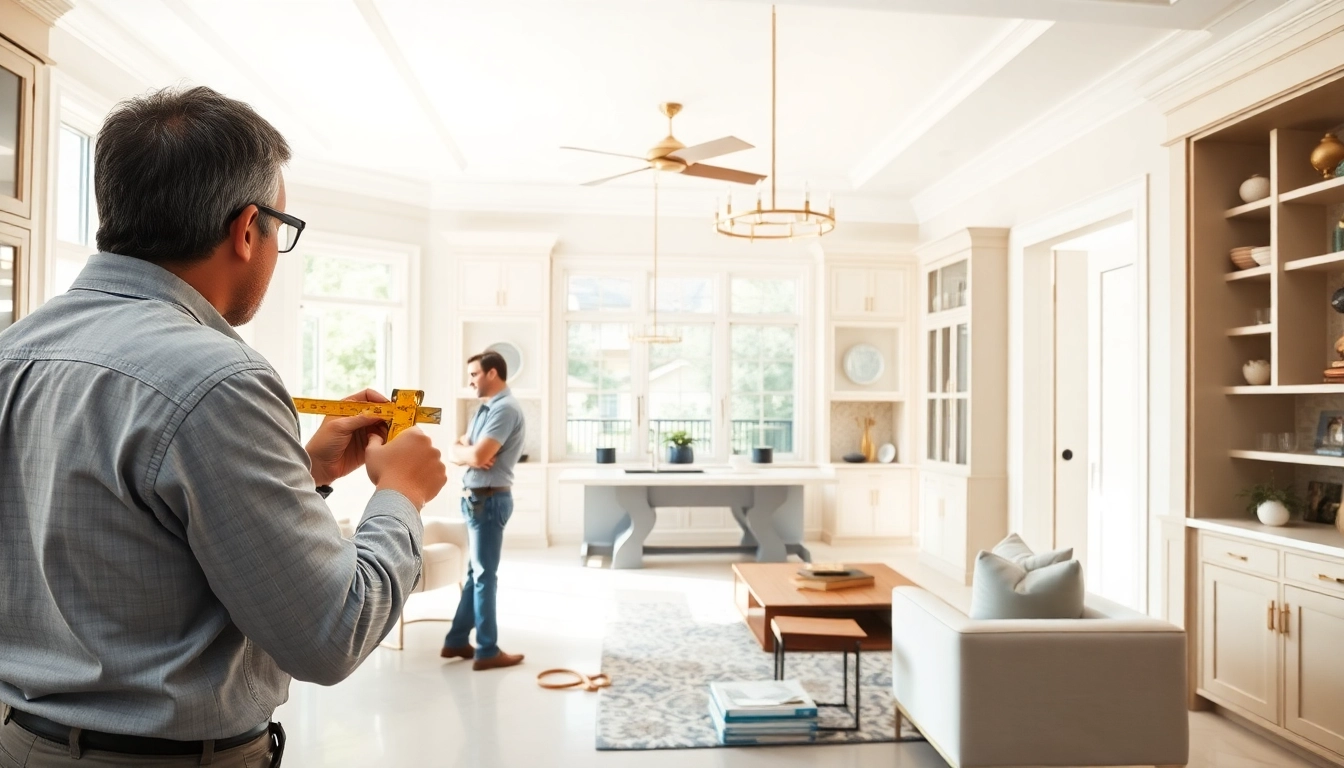
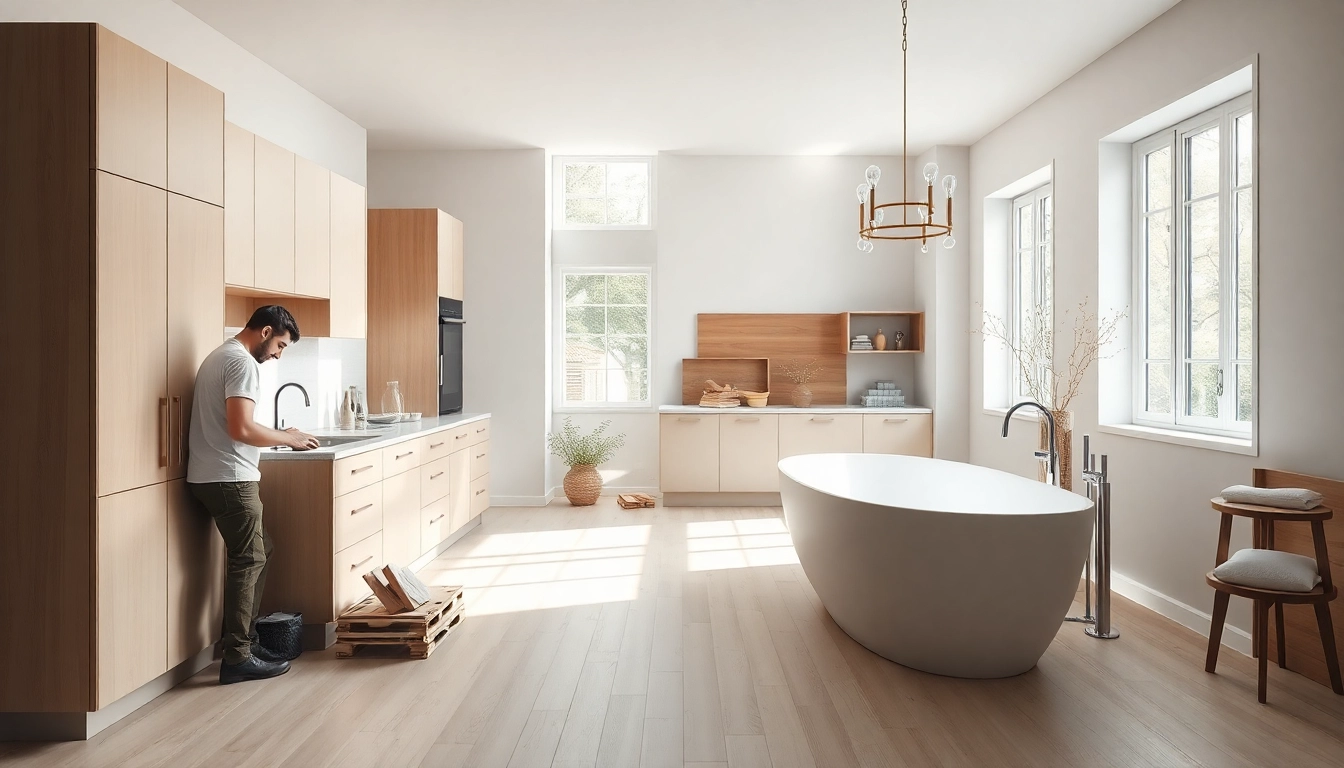
Customizing the interior of a Cape Cod home allows you to express personal style while respecting the architectural integrity. Popular choices include open-concept layouts, modern kitchens with classic touches, and airy bedrooms that evoke a sense of tranquility. Selecting appropriate color schemes and furnishings that reflect the coastal theme can harmonize your design and enhance the living experience.
4.3 Sustainable Practices in Construction
Adopting sustainable practices in constructing Cape Cod homes contributes positively to the environment without compromising on aesthetic values. Utilize recycled materials, energy-efficient designs, and environmentally friendly construction techniques. Consulting with architects and builders who specialize in sustainable builds ensures your home remains both beautiful and responsible.
5. Frequently Asked Questions about Cape Cod Homes
5.1 What materials are used in Cape Cod homes?
Common materials include wood siding, shingles, and local stones. These not only emphasize aesthetics but also enhance durability against coastal weather.
5.2 How to maintain the charm of a Cape Cod home?
Regular maintenance, such as repainting, roof inspections, and preserving wooden features, helps to retain the historical charm and integrity of Cape Cod homes.
5.3 Are Cape Cod homes suitable for modern living?
Yes, Cape Cod homes can be easily adapted with modern amenities while preserving their classic appeal, providing a comfortable living experience.
5.4 What are common design pitfalls to avoid?
Avoid over-cluttering spaces, neglecting outdoor harmony, and using harsh contemporary elements that clash with the home’s original aesthetics.
5.5 How can I enhance my home’s value?
Focus on quality renovations, improving energy efficiency, and maintaining curb appeal through landscaping to increase property value effectively.