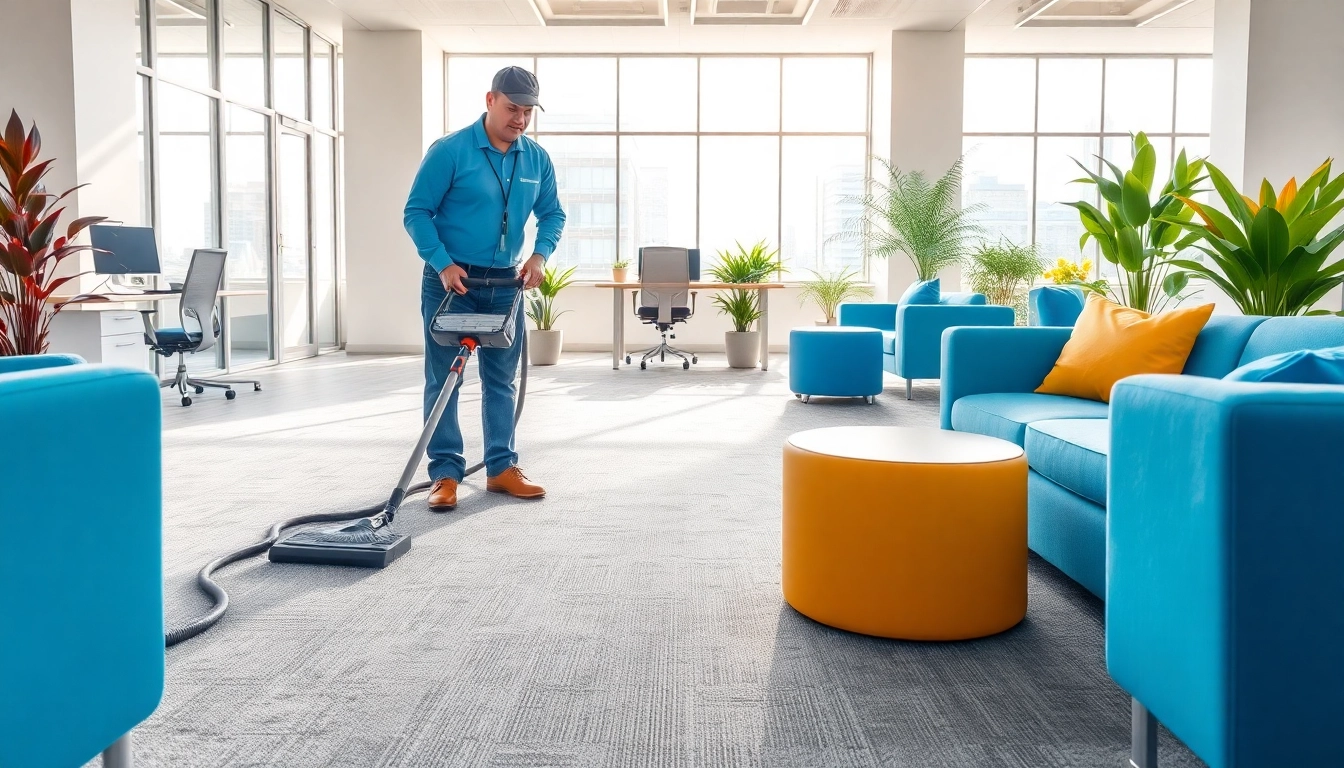
Understanding Commercial Carpet Cleaning
What is Commercial Carpet Cleaning?
Commercial carpet cleaning refers to the specialized cleaning of carpets in business environments, rather than residential settings. It employs various techniques and methods to maintain hygiene, aesthetics, and longevity of carpets used in offices, hotels, restaurants, and other commercial spaces. The process involves deep cleaning to remove stains, allergens, and bacteria, ensuring a healthy living and working environment. Utilize professional services for commercial carpet cleaning to enhance not only the look of your establishment but also the overall well-being of your patrons and employees.
Importance of Carpet Maintenance in Businesses
Proper carpet maintenance is critical for businesses for several reasons. Firstly, it significantly impacts the indoor air quality, reducing allergens and dust that can lead to health issues among employees and visitors. Secondly, well-maintained carpets improve the overall aesthetics of the business space, creating a positive first impression. Thirdly, routine cleaning can extend the life of carpets, ultimately saving costs on premature replacements. It also helps in maintaining the value of the property as clean spaces are more desirable for clients and guests.
Common Types of Commercial Carpets
Commercial carpets come in a variety of styles and materials, each suited for different purposes and environments. Some common types include:
- Loop Pile Carpet: Durable and suitable for high-traffic areas.
- Cut Pile Carpet: Soft and luxurious, ideal for offices and reception areas.
- Berber Carpet: Resistant to stains and wear, making them great for commercial settings.
- Tile and Modular Carpets: Flexible design choices with easy maintenance.
Key Techniques in Commercial Carpet Cleaning
Hot Water Extraction Explained
Hot water extraction, also known as steam cleaning, is one of the most effective methods for commercial carpet cleaning. This process involves injecting hot water mixed with cleaning agents into the carpet fibers to dissolve dirt and stains. Following this, the water is extracted back out, along with the dislodged debris. This method is particularly useful for deep cleaning, eliminating allergens, and is environmentally friendly as many biodegradable cleaning solutions can be used.
Encapsulation Cleaning Method
The encapsulation cleaning method is a popular choice for commercial settings that require a faster drying time. This technique uses synthetic detergents that encapsulate dirt particles in a polymer. Once the solution dries, it crystallizes, allowing dirt to be easily vacuumed away. This method not only cleans but also reduces the risk of mold growth due to its minimal moisture usage.
Low Moisture Carpet Cleaning Insights
Low moisture carpet cleaning is increasingly favored in commercial environments due to its efficiency and quick-drying features. This method uses products that are specifically designed to require minimal water, while still effectively removing dirt and stains. Techniques such as dry foam or rotary shampoo extraction minimize the amount of water used, thus allowing carpets to be ready for foot traffic much sooner than traditional methods.
Commercial Carpet Cleaning Equipment
Essential Tools for Professionals
Professionals use a variety of equipment and tools to achieve effective results in commercial carpet cleaning. Examples of essential tools include:
- Carpet Extractors: For deep cleaning, these machines inject cleaning solution and extract soil.
- Vacuum Cleaners: High-efficiency vacuum cleaners help remove dry soil from carpets.
- Encapsulation Machines: These specialized machines apply encapsulation solutions effectively with minimal moisture.
- Rotary Brushes: Used for agitation in cleaning methods to assist in soil removal.
Choosing the Right Cleaning Solutions
Selecting the appropriate cleaning solutions is critical for successful commercial carpet cleaning. It’s essential to choose products that are formulated for specific carpet types to avoid damage. Green cleaning solutions are also becoming popular, offering effective cleaning while minimizing harmful residues and environmental impact. Conducting tests on a small area can help determine the best product for each situation.
Maintenance of Cleaning Equipment
Proper maintenance of cleaning equipment is essential to ensure longevity and performance. Scheduled inspections, regular cleaning of filters, and adherence to manufacturer guidelines will keep machines in top working order. Investing time in maintenance helps avoid breakdowns, which can disrupt cleaning schedules and service delivery.
Best Practices for Commercial Carpet Cleaning
Scheduled Cleaning vs. On-Demand Services
Establishing a routine schedule for carpet cleaning is preferred over sporadic, on-demand services. Scheduled cleaning helps in managing dirt accumulation and ensures consistent cleanliness, promoting a healthier environment. On-demand cleaning should be reserved for emergencies, such as spills or unexpected foot traffic that leads to soiling.
Implementing a Cleaning Policy in Your Business
A well-defined cleaning policy is paramount in maintaining carpet cleanliness and overall building hygiene. This policy should outline cleaning frequencies, methods, and responsibilities. Training employees about the policy fosters a culture of care and helps mitigate damage caused by spills and other common issues.
Training Staff for Effective Carpet Care
Providing training for staff on the importance of carpet care and maintenance techniques is critical. Staff members should be knowledgeable on how to treat spills immediately, the proper use of vacuuming equipment, and the importance of following cleaning schedules. Engaged employees will take ownership of maintaining a clean workspace.
Measuring Success in Commercial Carpet Cleaning
Assessing Carpet Cleanliness and Longevity
Measuring the effectiveness of carpet cleaning initiatives can be done through regular inspections, assessments of carpet appearance, and tracking lifespan. Noticing any premature wear may signal that cleaning practices need revision or adjustments in methods are required.
Cost-Effectiveness of Professional Cleaning
Investing in professional commercial carpet cleaning can save money in the long run by prolonging the lifespan of carpets, preventing costly replacements. Evaluating cleaning budgets against the improved aesthetics and employee health can showcase the value of a consistent cleaning program.
Feedback and Continuous Improvement
Engaging with employee and customer feedback on the cleanliness of the carpets can provide insight and help in fine-tuning cleaning services. Continuous improvement strategies should be in place to enable adaptations in cleaning methods or frequency based on real-world observations.
Frequently Asked Questions
What is the best method for commercial carpet cleaning?
The best method varies, but hot water extraction is highly effective for deep cleaning. Low moisture and encapsulation methods are also useful for quicker drying times.
How often should commercial carpets be cleaned?
Frequency depends on foot traffic, but generally, high-traffic areas should be cleaned every 6-12 months. Routine vacuuming is also vital in maintaining cleanliness.
Can I clean commercial carpets myself?
While minor maintenance can be done, involving professionals is recommended for deep cleaning to ensure effectiveness and to avoid damaging the carpet.
What should I do in case of a spill?
Act quickly! Blot the area with a clean cloth, avoid scrubbing, and use a suitable cleaner specifically designed for your carpet type if necessary.
Is professional cleaning worth the cost?
Yes, professional cleaning prolongs carpet lifespan, improves air quality, and creates a more welcoming environment for clients and guests.