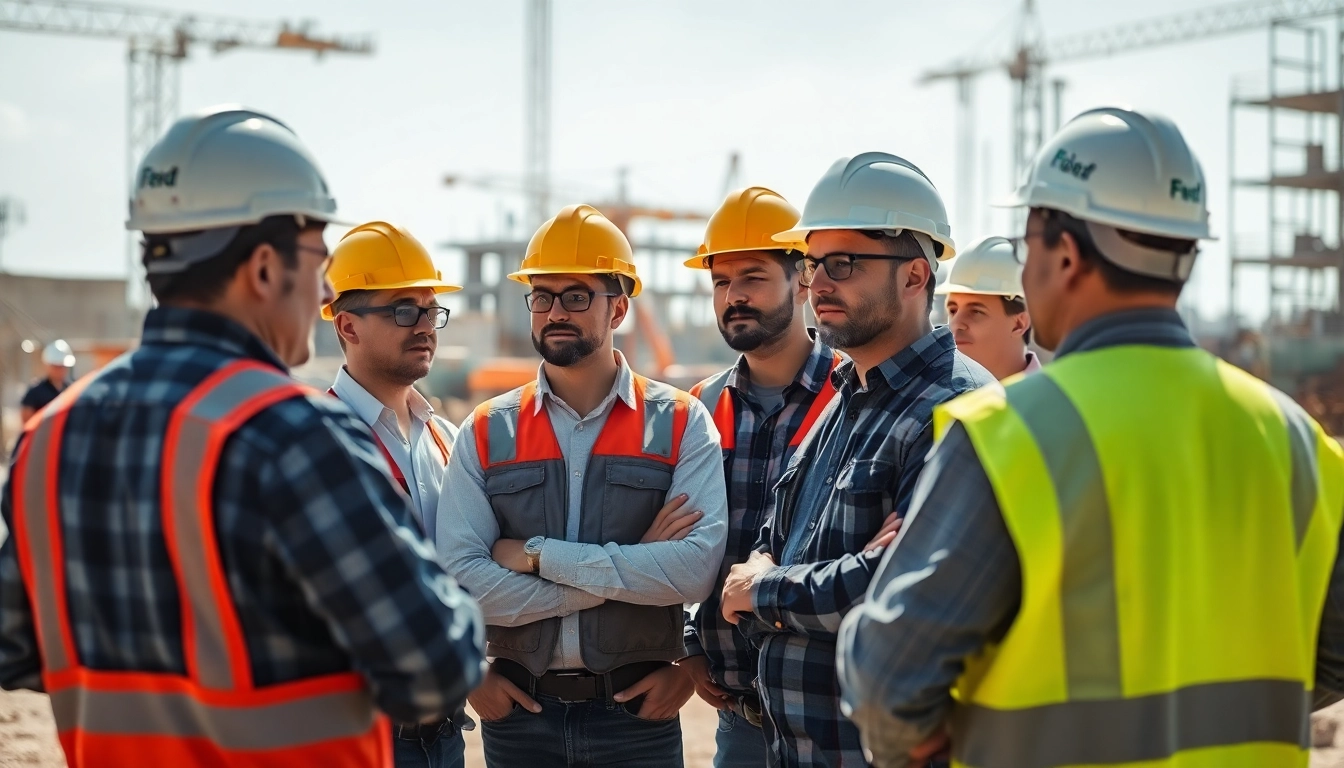
The Importance of a Construction Association
Understanding the Role of Construction Associations
A construction association plays a pivotal role in the architecture, engineering, and construction (AEC) sector by acting as a facilitator and supporter for its members. These organizations strive to bring together various stakeholders, including owners, contractors, architects, and suppliers, to foster collaboration and promote best practices. The essence of a construction association lies in enhancing the effectiveness of its members, advocating on their behalf, and ensuring they are well-informed about industry standards and regulations. By joining a construction association, individuals and companies tap into a wealth of resources, networking opportunities, and expertise essential for navigating the complexities of construction projects.
Benefits of Joining a Construction Association
Membership in a construction association offers numerous advantages, primarily focusing on professional growth and industry representation. Members gain access to exclusive resources including training programs, certifications, and up-to-date industry publications. These associations also provide extensive networking opportunities, allowing members to connect with peers, prospective clients, and industry leaders. Furthermore, membership can lead to increased visibility within the industry, helping member companies to stand out in a competitive market. By joining such organizations, members not only advocate for their profession but also contribute to building a cohesive community that prioritizes safety, innovation, and the advancement of industry standards.
Key Services Offered by Construction Associations
Construction associations deliver a diverse range of services tailored to address the unique needs of their members. These services often include professional development programs, such as workshops and seminars on topics like project management, sustainable building practices, and safety regulations. Advocacy efforts play a crucial role as well, with associations lobbying for favorable regulations and policies that impact the industry. Many associations also offer resources for legal assistance, risk management, and business development, enabling members to mitigate challenges they may face in the competitive construction landscape. Additionally, construction associations often provide access to tools and technologies that can improve efficiency and productivity in construction operations.
Navigating Membership and Involvement
Joining a Construction Association: Steps to Take
Becoming a member of a construction association typically involves a few straightforward steps. First, interested individuals or companies should research various associations to find one that aligns with their specific goals and needs. After selecting an association, the next step involves completing a membership application, which often requires providing details about the applicant’s business, including its size, scope, and areas of specialization. Following approval, new members should familiarize themselves with the association’s offerings, including networking events, training opportunities, and publication subscriptions. Engaging with the association’s community through participation in events and committees can further enrich the membership experience.
Maximizing Your Membership Benefits
To fully harness the benefits of membership in a construction association, individuals and companies should adopt a proactive approach. This includes actively participating in association events, attending workshops, and joining committees or special interest groups that resonate with their professional interests. By engaging with other members, participants can expand their network, exchange knowledge, and collaborate on projects. Taking advantage of the resources the association offers, such as mentorship programs and industry research, can also enhance members’ skills and knowledge. It’s crucial to maintain communication with the association and stay informed of upcoming opportunities, as many benefits stem directly from active involvement.
Finding the Right Construction Association for You
With many construction associations available, choosing the right one can be challenging. Potential members should consider various factors when selecting an association, such as the specific focus of the organization—whether it caters to general contractors, subcontractors, or niche sectors within construction. Evaluating the benefits offered, the association’s reputation, and the size of its membership can also provide insight into whether it will meet individual or company needs. Additionally, seeking feedback from current members about their experiences can offer invaluable perspectives. Ultimately, the right construction association should align with a member’s professional goals and provide the necessary support to advance their career.
Advocacy and Representation
How Construction Associations Advocate for Industry Standards
Advocacy is a fundamental component of what construction associations do. These organizations work diligently to represent the interests of their members at local, state, and national levels. By collaborating with policymakers and industry influencers, construction associations strive to promote practices that enhance project effectiveness and worker safety. This advocacy can encompass various issues, including regulatory reforms, labor laws, and safety standards. By presenting a unified voice on these matters, associations not only influence policy development but also elevate the professional image of the construction industry as a whole.
Participating in Advocacy Efforts
Members of construction associations can get involved in advocacy efforts by participating in meetings, signing petitions, and contributing to campaigns aimed at influencing legislation. Many associations offer training for members on effective advocacy tactics and strategies for engaging with legislators. By partaking in these initiatives, members can share their insights and experiences, helping to shape policies that directly impact their work. Members can also form coalitions within the association to address specific issues or challenges, amplifying their collective influence on industry standards and regulations.
Success Stories from Construction Association Advocacy
Numerous success stories highlight the impact of construction association advocacy. For instance, many associations have played a critical role in securing funding for infrastructure projects that benefit the entire community. Associations have also successfully lobbied for labor laws that ensure worker rights while balancing the needs of construction businesses. These victories not only demonstrate the effectiveness of association advocacy but also showcase the importance of collective action in driving meaningful changes within the construction sector.
Networking Opportunities Available
Events Hosted by Construction Associations
Construction associations are known for organizing a variety of events aimed at fostering networking and professional development among members. These events range from annual conventions and trade shows to localized meet-ups and seminars. Each of these gatherings serves as a platform for members to connect, share knowledge, and form valuable relationships. Networking events often include keynote speakers from within the industry, panel discussions, and breakout sessions focused on emerging topics or technologies impacting construction.
Building Relationships with Industry Peers
Building strong relationships with fellow industry professionals is a significant benefit of participating in construction association events. Engaging with peers in informal settings allows for the exchange of ideas, experiences, and best practices. These relationships can lead to collaboration on future projects, partnerships, and even mentorship opportunities. In addition, members often find that relationships built within the association extend beyond professional boundaries, developing into valuable friendships that can offer support and encouragement throughout one’s career.
Leveraging Connections for Career Growth
Networking through a construction association can have a profound impact on an individual’s career growth. Connections made at events can lead to new job opportunities, project collaborations, and referrals, ultimately broadening one’s career prospects. Members can leverage their networks to gain insights into industry trends and job openings before they are publicly listed. Additionally, relationships fostered within the association may lead to opportunities to take on leadership roles in projects or even within the organization itself, enhancing professional credibility and visibility in the industry.
Future Trends and Challenges in Construction
Emerging Trends Influenced by Construction Associations
Construction associations are at the forefront of advocating for trends that shape the industry. One notable emerging trend is the emphasis on sustainable construction practices, which association members are encouraged to adopt. Associations often provide resources and training on green building techniques and environmentally friendly materials, promoting initiatives that reduce the industry’s carbon footprint. Additionally, the integration of technology, such as Building Information Modeling (BIM) and automation, is being championed by associations to enhance productivity and project outcomes. As industry leaders, construction associations are vital in guiding members through these transitions and promoting innovation.
Challenges Facing the Construction Industry
Despite its growth, the construction industry faces several challenges that associations must address. One major challenge is the skilled labor shortage, which has become increasingly pressing as the construction workforce ages and fewer young people enter the field. Construction associations are actively working to develop training programs and initiatives to attract new talent and ensure that workers have access to the necessary skills. Moreover, economic fluctuations, regulatory changes, and supply chain disruptions pose ongoing challenges. Construction associations play a significant role in helping members navigate these obstacles by providing resources, research, and advocacy.
Preparing for the Future: Role of Construction Associations
As the construction industry continues to evolve, construction associations will remain integral in preparing their members for the future. By analyzing emerging trends and providing insights on best practices, these organizations serve as a crucial support system for companies navigating change. Associations can facilitate education and training on new technologies and methods, enabling members to capitalize on opportunities while minimizing risks. Furthermore, through robust advocacy efforts, construction associations can ensure that members’ voices are heard in discussions about key industry challenges and policies, thereby fostering a resilient and progressive construction environment.
FAQs
What are the main benefits of joining a construction association?
Joining a construction association provides access to training, networking opportunities, advocacy, and industry resources that enhance professional development and business growth.
How can I find the right construction association for my needs?
Research various associations, focus on specific sectors, evaluate their services, and seek feedback from current members to determine the best fit.
What role do construction associations play in policy advocacy?
Construction associations advocate on behalf of their members by lobbying for favorable regulations and industry standards, ensuring their concerns are represented to policymakers.
How do construction associations facilitate networking?
These associations organize events, seminars, and workshops, providing members with opportunities to build relationships, exchange ideas, and collaborate on projects.
What challenges is the construction industry currently facing?
The industry faces challenges including a skilled labor shortage, economic fluctuations, and regulatory changes. Associations help address these through resources and advocacy.