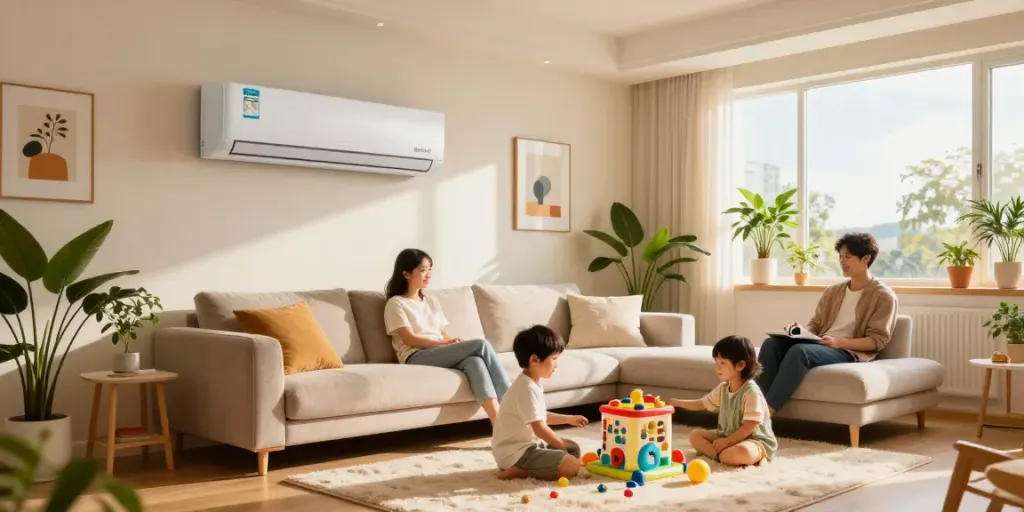
Understanding the Basics of 18000 BTU Mini Split Systems
In today's climate, efficient heating and cooling solutions are more important than ever. Among the various options available, 18000 btu mini split systems stand out for their versatility and energy efficiency. These systems can provide both heating and cooling, making them a great choice for year-round comfort in your home. In this article, we will delve into the intricacies of these systems, their benefits, installation considerations, and future trends in technology.
What is an 18000 BTU Mini Split?
A mini split system is a type of ductless heating and cooling solution that consists of an outdoor compressor unit and one or more indoor air handling units. The term “BTU” stands for British Thermal Unit, which measures the cooling or heating capacity of the system. An 18000 BTU mini split can effectively cool or heat spaces up to 1,250 square feet, making it ideal for larger rooms or apartments where conventional HVAC systems may not be feasible.
Why Choose a Mini Split for Your Home?
One of the main advantages of mini split systems is their flexibility. They allow homeowners to control the temperature in individual rooms independently, helping to maintain the set climate without wasting energy on unoccupied areas. Mini splits are also less intrusive than traditional HVAC systems due to their compact design and the absence of ductwork, which can be a significant advantage in renovation projects or homes lacking duct systems.
Key Benefits of 18000 BTU Capacity
- Energy Efficiency: With a higher Seasonal Energy Efficiency Ratio (SEER), these systems are designed to consume less electricity while still providing optimal comfort.
- Space-Saving Design: The compact units take up minimal space and can be installed in various configurations to suit the layout of your home.
- Quiet Operation: Mini splits operate quietly compared to traditional systems, allowing for a more peaceful home environment.
Installation Considerations for 18000 BTU Mini Split Systems
Essential Installation Requirements
When considering the installation of an 18000 BTU mini split system, it is essential to evaluate your home’s specific needs. Proper placement of the indoor units is crucial for maximizing performance. These units should be located in areas where they can effectively circulate air without obstruction. Additionally, an outdoor unit requires adequate clearance around it for airflow and maintenance access.
Do-It-Yourself vs. Professional Installation
While some homeowners may consider installing a mini split system themselves, hiring a professional is often recommended. Experienced technicians can ensure the system is correctly installed to achieve optimal efficiency and longevity. They'll also be able to comply with local building codes and regulations, which is essential for warranty and safety purposes.
Common Installation Mistakes to Avoid
- Improper sizing of the system can lead to inefficiency; an 18000 BTU unit should match the specific cooling and heating needs of the space.
- Failure to use the correct refrigerant lines and fittings can cause leaks and system failure.
- Neglecting to ensure proper drainage for condensate can lead to water damage and mold growth.
Operational Efficiency of 18000 BTU Mini Split Units
Understanding SEER Ratings and Energy Consumption
The SEER rating is a critical factor in determining the efficiency of an air conditioning system. For an 18000 BTU mini split, a higher SEER rating indicates better energy efficiency. This rating provides insight into how much cooling you'll receive versus the amount of energy consumed, allowing homeowners to make informed decisions about their cooling systems.
How to Optimize Energy Efficiency
To maximize the efficiency of your mini split system, consider the following tips:
- Regularly clean or replace air filters to ensure optimal airflow.
- Utilize programmable thermostats to align the temperature with your schedule.
- Seal doors and windows to prevent energy loss and enhance cooling capacity.
Comparing Mini Split Systems to Traditional HVAC
Mini split systems offer several advantages over traditional HVAC systems. For instance, they do not require ductwork, which can be expensive to install and maintain. Additionally, mini splits allow for more precise temperature control in individual rooms, enhancing comfort and energy savings. Traditional systems, on the other hand, often struggle to eliminate temperature fluctuations and can lead to higher utility bills due to air leaks in ducts.
Maintenance Tips for Longevity of Your Mini Split System
Routine Maintenance Checklist
Regular maintenance is vital for ensuring the longevity and efficiency of your mini split system. Consider the following tasks:
- Cleaning the outdoor unit and removing any debris that may obstruct airflow.
- Checking and cleaning indoor air filters every month during peak usage.
- Inspecting the refrigerant lines and connections for leaks or signs of wear.
Signs Your Mini Split Needs Professional Service
Being proactive about your system's performance can prevent larger issues. Watch for signs that indicate your mini split may need professional service:
- Strange noises or vibrations coming from the system.
- Inconsistent temperature control across different rooms.
- Unusual increases in energy bills without a corresponding increase in usage.
Cost-Effective Solutions for Maintenance
Maintaining an 18000 BTU mini split doesn't have to be expensive. Schedule annual inspections with HVAC professionals to catch potential issues early. Additionally, many manufacturers offer maintenance plans, which can save you money on service costs over time.
Future Trends in Mini Split Technology for 2026
Advancements in Energy Efficiency
As technology continues to evolve, mini split systems are becoming more energy-efficient. The introduction of inverter technology allows these systems to adjust their speed based on current heating or cooling demands, which reduces energy consumption while maintaining comfort levels.
Smart Technology Integration in Mini Splits
Smart home technology is increasingly being integrated into mini split systems. Features such as Wi-Fi connectivity allow homeowners to control their systems remotely, monitor energy usage, and receive alerts for maintenance needs. These advancements not only enhance convenience but also promote energy savings.
Environmental Impact and Sustainability Considerations
As global awareness of climate change grows, products that offer sustainable solutions are in high demand. Mini split systems are generally more environmentally friendly compared to traditional systems, and advancements in refrigerants with lower global warming potential (GWP) are being adopted to further reduce their environmental footprint.
What is the ideal size for an 18000 BTU mini split?
The ideal size for an 18000 BTU mini split depends on various factors, including room layout, insulation, and local climate. Generally, they are effective for areas ranging from 550 to 1250 square feet.
How often should I service my mini split?
It is recommended to service mini split systems at least once a year to maintain optimal performance and efficiency. Regular inspections can help to prevent larger issues down the line.
Can an 18000 BTU mini split heat my home effectively?
Yes, an 18000 BTU mini split can effectively heat your home, especially in moderate climates. Many models provide both heating and cooling options, making them versatile for year-round use.
Is professional installation necessary for mini splits?
While some experienced DIYers may attempt to install mini splits themselves, professional installation is often recommended to ensure proper functioning. Professionals can navigate local codes and optimize placement for efficiency.
What are the benefits of a ductless mini split system?
Ductless mini split systems offer numerous benefits, including flexibility, improved energy efficiency, and reduced installation costs compared to conventional HVAC systems. They also provide zoned heating and cooling, allowing for personalized comfort throughout your home.