
Understanding Sew In Hair Extensions
Sew in hair extensions have become a popular choice for individuals looking to enhance their hairstyles with volume and length. This method allows for a secure and durable application that can transform your look while maintaining a natural appearance. With various styles and textures available, sew in hair extensions cater to a wide range of preferences and needs. When exploring options, sew in hair extensions provide comprehensive insights into various choices for achieving the hair of your dreams.
What are Sew In Hair Extensions?
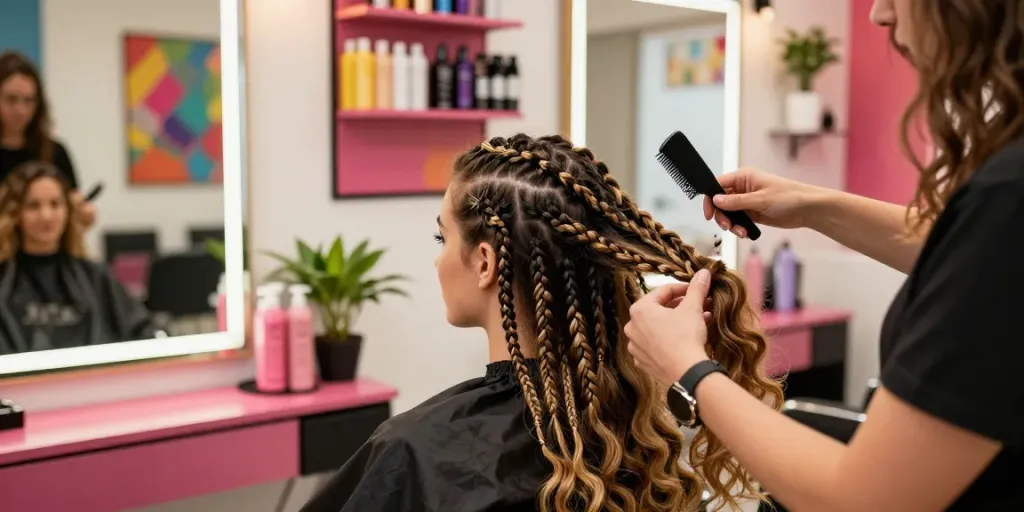
Sew in hair extensions are bundles of hair that are attached to the natural hair using a needle and thread. This installation method involves braiding the natural hair into a tight base and sewing the wefts of hair onto the braids. Unlike clip-in extensions, which can be easily removed, sew in extensions are designed for longer wear, typically lasting several weeks to months depending on the care and maintenance.
Types of Sew In Hair Extensions Available
There are several types of sew in hair extensions available in the market, each catering to different needs and preferences:
- Machine Weft Extensions: These extensions are made from hair sewn together by machine, providing a thicker and more durable option. They are ideal for those looking for volume and a quick application.
- Hand-Tied Wefts: This type is constructed by hand, allowing more flexibility and a flatter appearance against the scalp. They blend seamlessly with natural hair, making them a popular choice for a more natural look.
- Hybrid Wefts: Combining both machine and hand-tied techniques, hybrid wefts offer the best of both worlds—durability and flexibility—making them suitable for various styles and preferences.
Benefits of Using Sew In Hair Extensions
Sew in hair extensions come with numerous benefits that make them a favored choice among hairstyle enthusiasts:
- Durability: When properly installed and cared for, sew in extensions can last for several weeks, making them a cost-effective solution for those who want a long-lasting hairstyle.
- Versatility: They allow wearers to experiment with different hairstyles, including straight, wavy, or curly looks, without committing to a permanent change.
- Protective Styling: Sew in extensions can act as a protective style for natural hair, helping to shield it from environmental damage and reducing the need for frequent heat styling.
- Natural Appearance: With proper installation and matching techniques, sew in extensions can blend seamlessly with natural hair, offering a flawless finish.
Choosing the Right Sew In Hair Extensions
With a variety of options available, selecting the right sew in hair extensions can seem overwhelming. However, considering a few key factors can help streamline the process.
Factors to Consider When Selecting Extensions
When choosing sew in hair extensions, consider the following:
- Hair Type: Different extensions work better with specific hair types. For instance, coarse or thick hair may require heavier extensions for a seamless blend.
- Color Matching: It's essential to choose extensions that match your natural hair color or can be dyed to create a cohesive look.
- Volume and Length: Assess the desired volume and length to ensure the extensions align with the look you want to achieve.
Matching Hair Texture and Color
One of the critical aspects of choosing sew in hair extensions is ensuring that the texture and color match your natural hair. Pay attention to the following:
- Texture: Choose extensions that mimic the natural curl or wave pattern of your hair for a more cohesive and natural look.
- Color: If you can't find an exact match, consider custom dyeing the extensions. Many brands offer extensions in various shades that can be mixed to achieve the perfect color.
Budgeting for Sew In Hair Extensions
Pricing for sew in hair extensions can vary significantly based on hair quality, type, and brand. High-quality human hair extensions tend to come at a premium price but offer a more natural look and longer life span. It’s essential to budget not only for the extensions themselves but also for installation costs and maintenance products.
Application Techniques for Sew In Hair Extensions
Professional installation is crucial for achieving the best results with sew in hair extensions. Here’s what you need to know about the installation process.
Step-by-Step Guide for Professional Installation
The following steps outline a typical professional installation process for sew in hair extensions:
- Consultation: A hair stylist will discuss your desired outcome, color, and texture.
- Preparation: The stylist will wash and condition your natural hair to remove any buildup.
- Braiding: Your natural hair is braided into a foundation that will hold the extensions. The braiding pattern may vary based on the desired style.
- Installation: The wefts of hair are sewn onto the braids using a needle and thread, ensuring they are secure and lay flat.
- Finishing Touches: The stylist will cut, style, and blend the extensions with your natural hair for a seamless finish.
Common Mistakes to Avoid During Installation
Several pitfalls can detract from the effectiveness of sew in hair extensions. Avoid these common mistakes:
- Improper Braiding: Ensure that the braids are tight enough to support the weight of the extensions but not so tight that they cause discomfort.
- Wrong Weft Type: Using the incorrect type of weft for your hair texture can lead to noticeable differences in appearance and feel.
- Neglecting Professional Help: DIY installations can result in poor outcomes, so seeking professional assistance is highly recommended.
Maintaining Hair Health During Sew In Application
Maintaining hair health during the installation of sew in extensions is vital. Here are essential tips:
- Hydration: Keep your natural hair moisturized before and after installation.
- Gentle Products: Use sulfate-free shampoos and conditioners to avoid stripping natural oils.
- Avoid Excessive Tension: Be mindful of how tight the braids are, as excessive tension can lead to breakage.
Caring for Your Sew In Hair Extensions
Proper care is crucial for ensuring the longevity and appearance of your sew in hair extensions. Follow these guidelines for optimal maintenance.
Best Practices for Washing and Conditioning
To maintain the integrity of your sew in hair extensions:
- Wash Gently: Use a wide-tooth comb to detangle before washing, and opt for cold water to reduce frizz.
- Condition Regularly: Deep conditioning treatments help keep extensions soft and manageable.
- Limit Heat Exposure: Avoid frequent heat styling to prevent damage to both natural hair and extensions.
Minimizing Damage to Natural Hair
It’s essential to protect your natural hair while wearing sew in extensions. Consider the following protective practices:
- Regular Breaks: Allow your natural hair to rest by periodically removing the extensions and giving your hair time to recover.
- Satin or Silk Scarves: When sleeping, use satin or silk to reduce friction and prevent tangling.
- Scalp Care: Keep your scalp healthy by moisturizing and avoiding product buildup.
Long-Term Care Tips for Longevity
To maximize the lifespan of your sew in extensions:
- Routine Maintenance: Schedule regular touch-ups with your stylist to maintain the installation and keep it looking fresh.
- Proper Storage: When not in use, store any unused wefts properly, preferably in a cool and dry place.
- Quality Products: Invest in high-quality hair care products that are suitable for the type of extensions you have.
Future Trends in Sew In Hair Extensions
The hair extension industry is continuously evolving. Here are some trends to watch for in 2026:
Innovative Materials for Sew In Extensions in 2026
Advancements in technology will likely lead to new materials that are even closer to natural hair, featuring improved durability, lower maintenance needs, and enhanced styling capabilities.
Emerging Application Techniques and Styles
As the demand for versatility grows, new application techniques without damaging natural hair will emerge, providing more options than ever for consumers.
Predictions for the Sew In Hair Extension Market
Industry forecasts suggest continued growth in the sew in hair extension market, driven by increased consumer interest in quality and diversity of options available.
How to Find the Best Professionals for Sew In Hair Extensions?
Finding a skilled stylist is crucial for achieving the desired results with sew in extensions. Look for professionals who have strong portfolios, positive reviews, and specialized training in hair extensions to ensure a quality experience.
What are the Downsides of Sew In Hair Extensions?
While sew in extensions offer many benefits, there are also potential downsides to consider:
- Time-Consuming: The installation process can take several hours, which may not suit everyone's schedule.
- Initial Cost: The upfront cost for quality extensions and installation can be significant.
- Maintenance Requirements: They require regular maintenance to keep both the natural hair and extensions healthy.
How Much Do Sew In Hair Extensions Cost?
The cost of sew in hair extensions will vary based on hair quality, type, and stylist experience. On average, consumers can expect to pay between $150 to $600 for high-quality extensions, with installation fees ranging from $100 to $300.